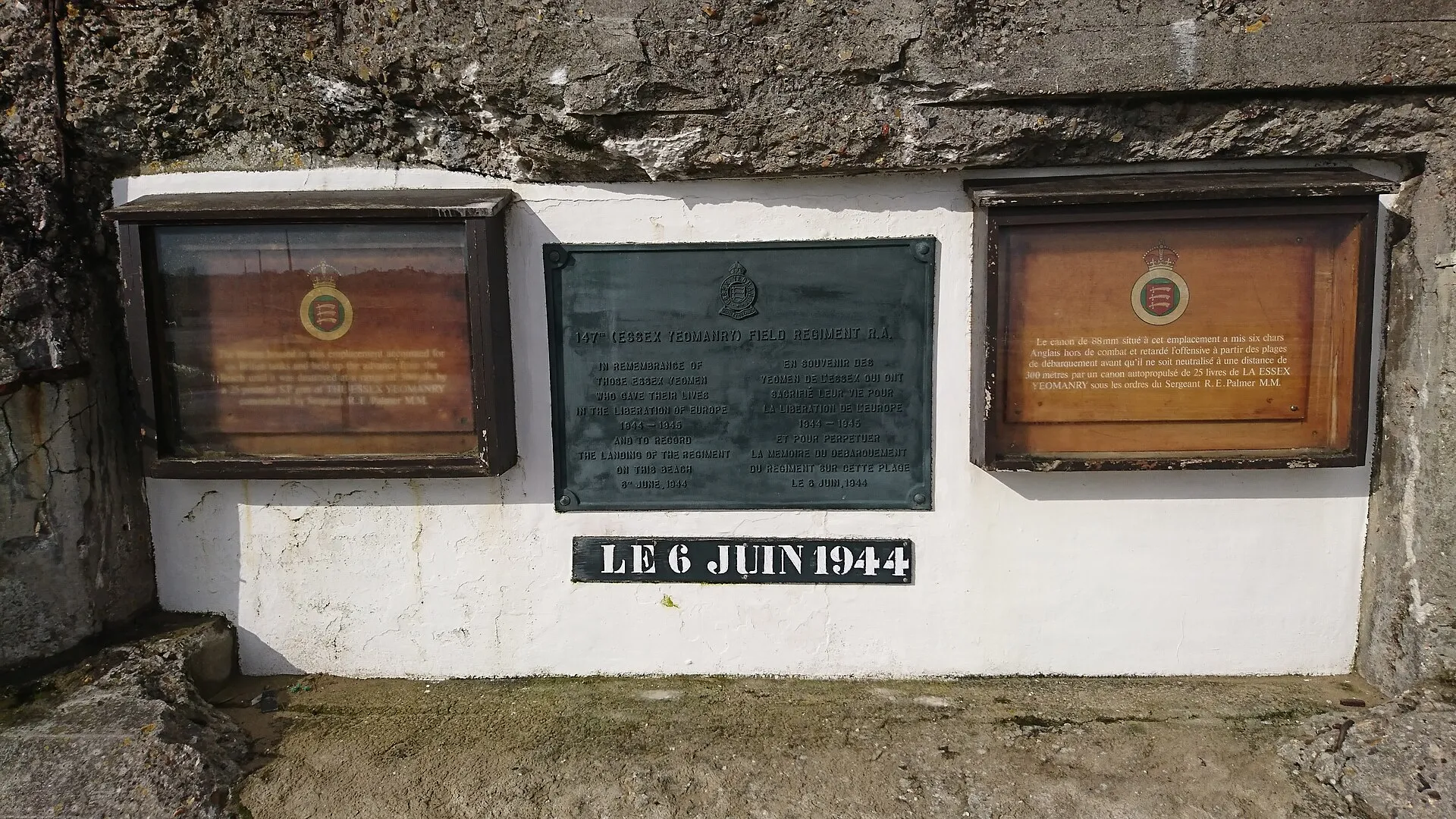
Gold Beach
~20 minAsnelles · Ver-sur-Mer
The British landing beach, from Port-en-Bessin to La Rivière, and the closest one to the house: the men who liberated Bayeux… and Loucelles landed here. At low tide the sands at Asnelles stretch forever.
D-Day 1944
The landing beaches begin twenty minutes from the house, and the history at the end of the garden: in June 1944 the front line ran along the edge of the village. This page gathers the essential sites, real drive times, and what happened right here.
“What it must have been like from this very house during the war.”
Mike, American guest, August 2026. The remark that made us write this page.
~20 min
Gold Beach and Arromanches
~30 min
Omaha and the American cemetery
~25 min
Juno and Pegasus Bridge
< 10 min
the June 1944 battlefields
Click a site to see its drive time and the link to its entry. The halo around Loucelles marks the battlefields of 7-19 June 1944, all within ten minutes.
The closest beaches to the house, barely twenty minutes away. It was from Gold and Juno that the men who liberated Bayeux (then Loucelles) came in June 1944.
Asnelles · Ver-sur-Mer
The British landing beach, from Port-en-Bessin to La Rivière, and the closest one to the house: the men who liberated Bayeux… and Loucelles landed here. At low tide the sands at Asnelles stretch forever.
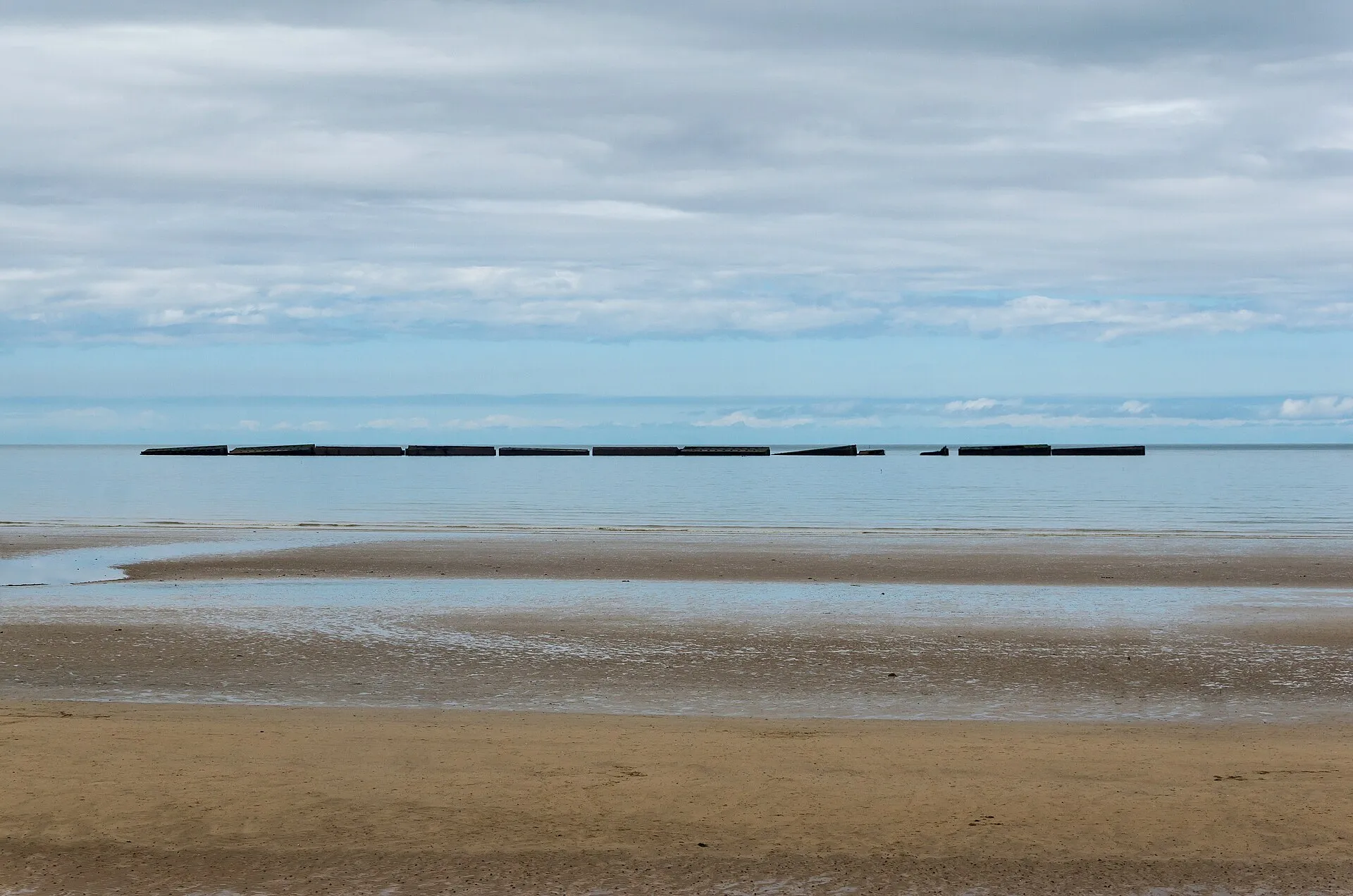
Arromanches-les-Bains
The Mulberry harbour caissons are still out there on the horizon. The D-Day Museum, rebuilt facing the sea in 2023, tells the story; on the heights, the circular cinema Arromanches 360 replays it across nine screens.
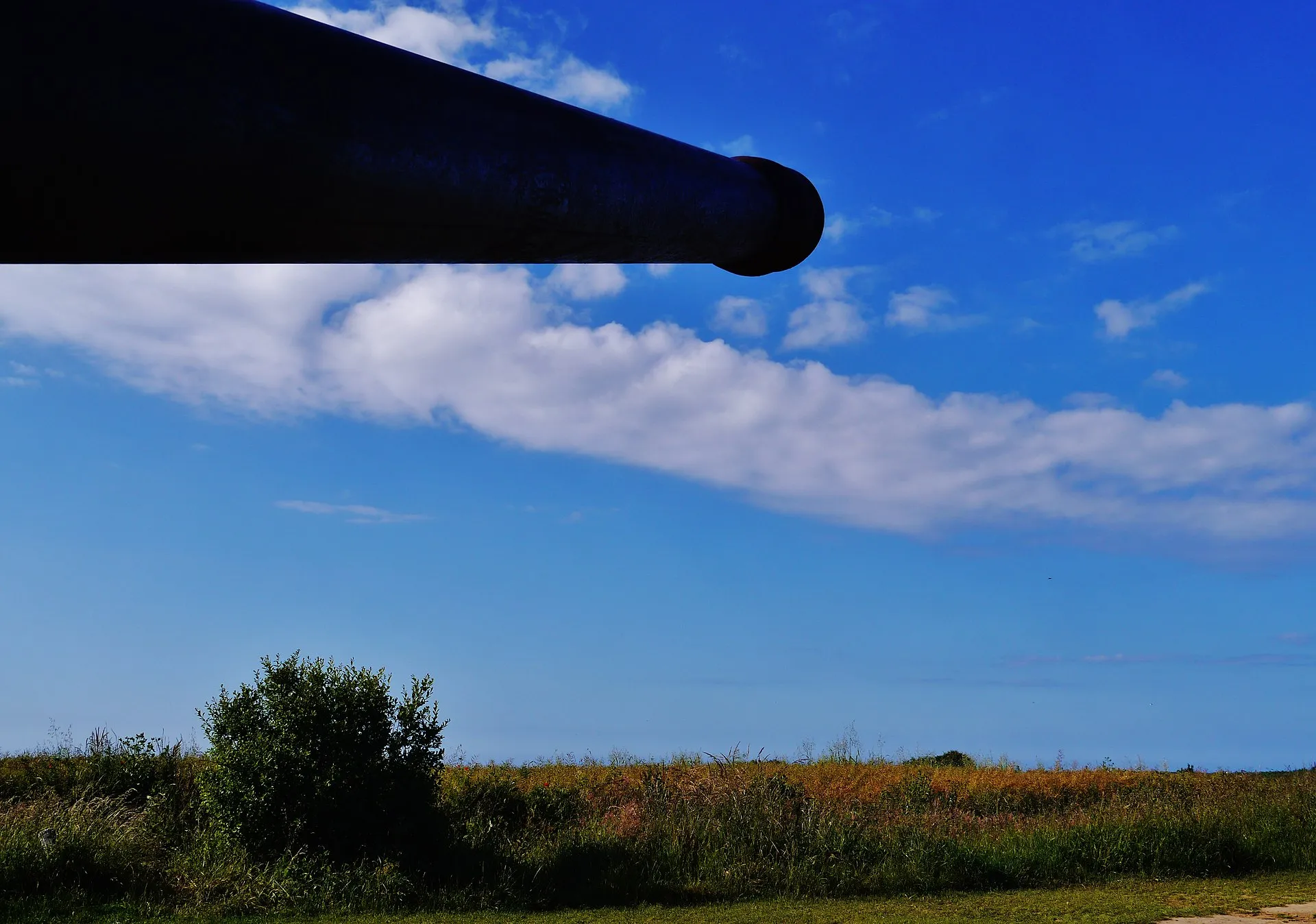
Longues-sur-Mer
Four casemates between Gold and Omaha, and the only battery on the Normandy coast to have kept its 150 mm naval guns. Free access, superb views over the Channel.
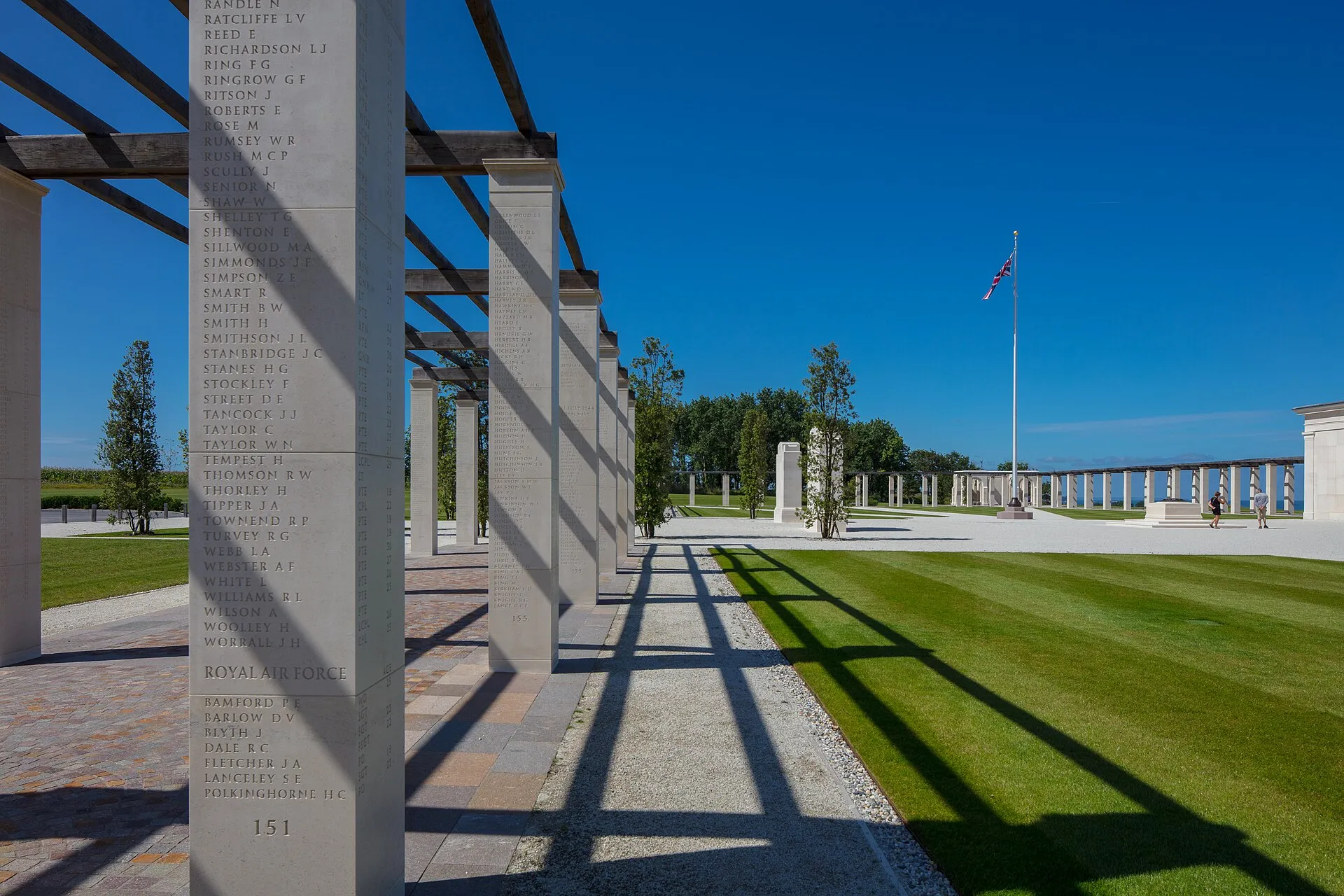
Ver-sur-Mer
Unveiled on 6 June 2021 above Gold Beach, it records the names of the 22,442 men and women who died under British command during the Battle of Normandy.
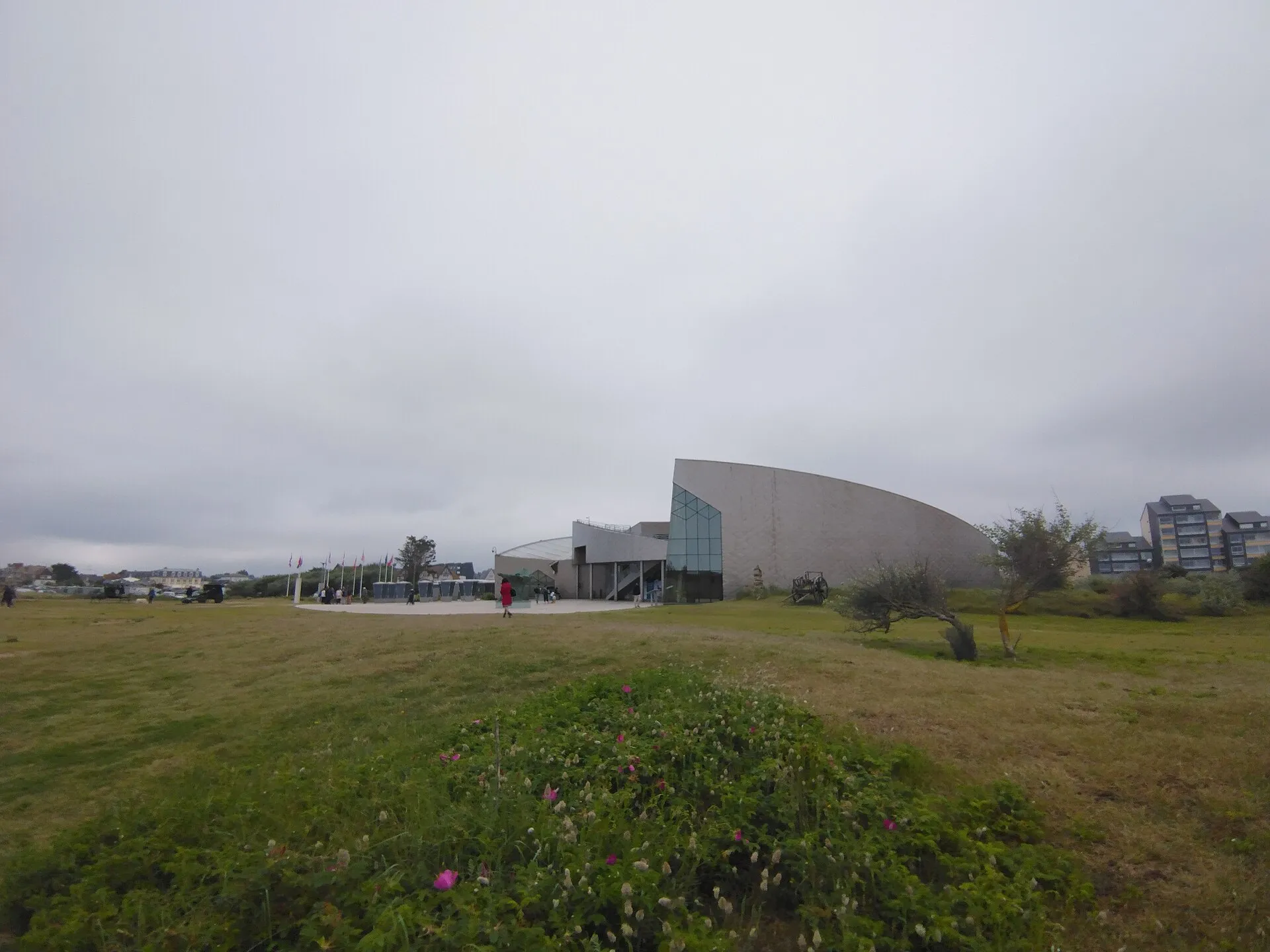
Courseulles-sur-Mer
The beach of the 14,000 Canadians who landed on 6 June, the very men who would fight at Putot and Norrey, five minutes from the house. The Juno Beach Centre, opened in 2003 by veterans, is the only Canadian museum on the beaches.
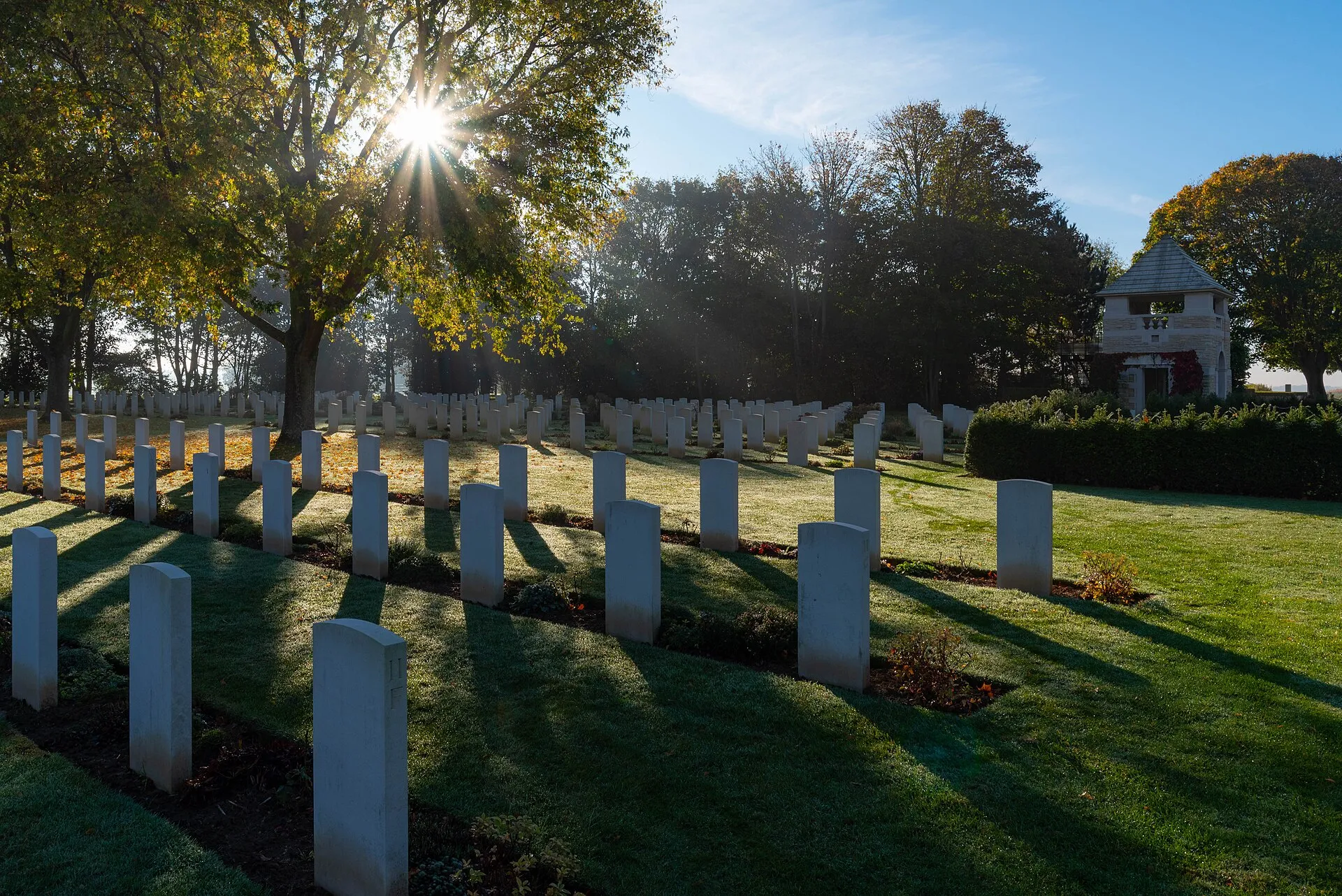
Reviers
2,048 graves, 2,025 of them Canadian, mostly men of the 3rd Division who fell on 6 June and in the first weeks, many of them in the villages around the house.
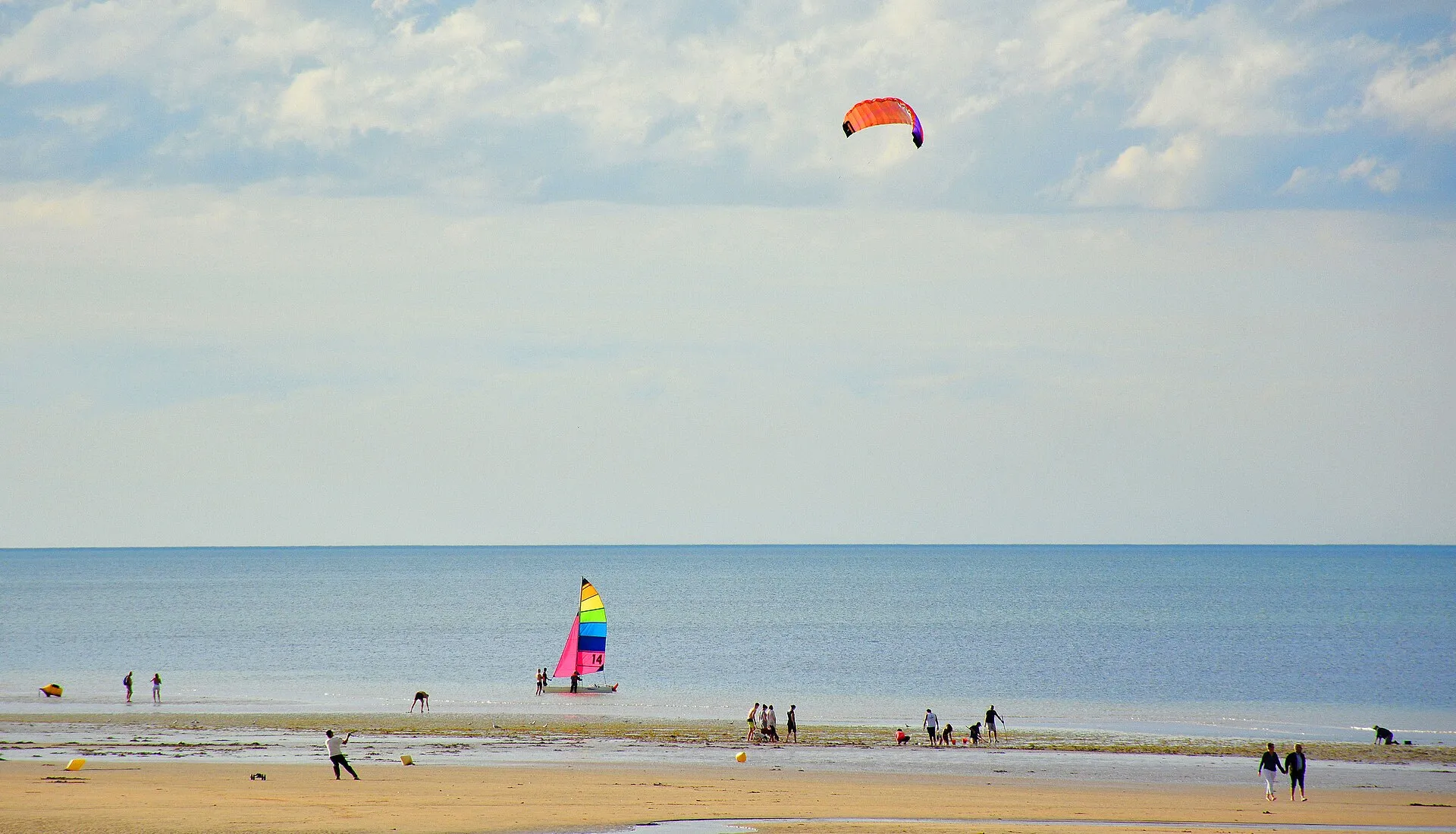
Colleville-Montgomery · Ouistreham
The easternmost British beach and the gateway to Caen, where the 177 Frenchmen of the Kieffer commando also came ashore. In Ouistreham, the Grand Bunker (a 17-metre fire-control tower restored to its 1944 state) can be climbed up to the rangefinder.
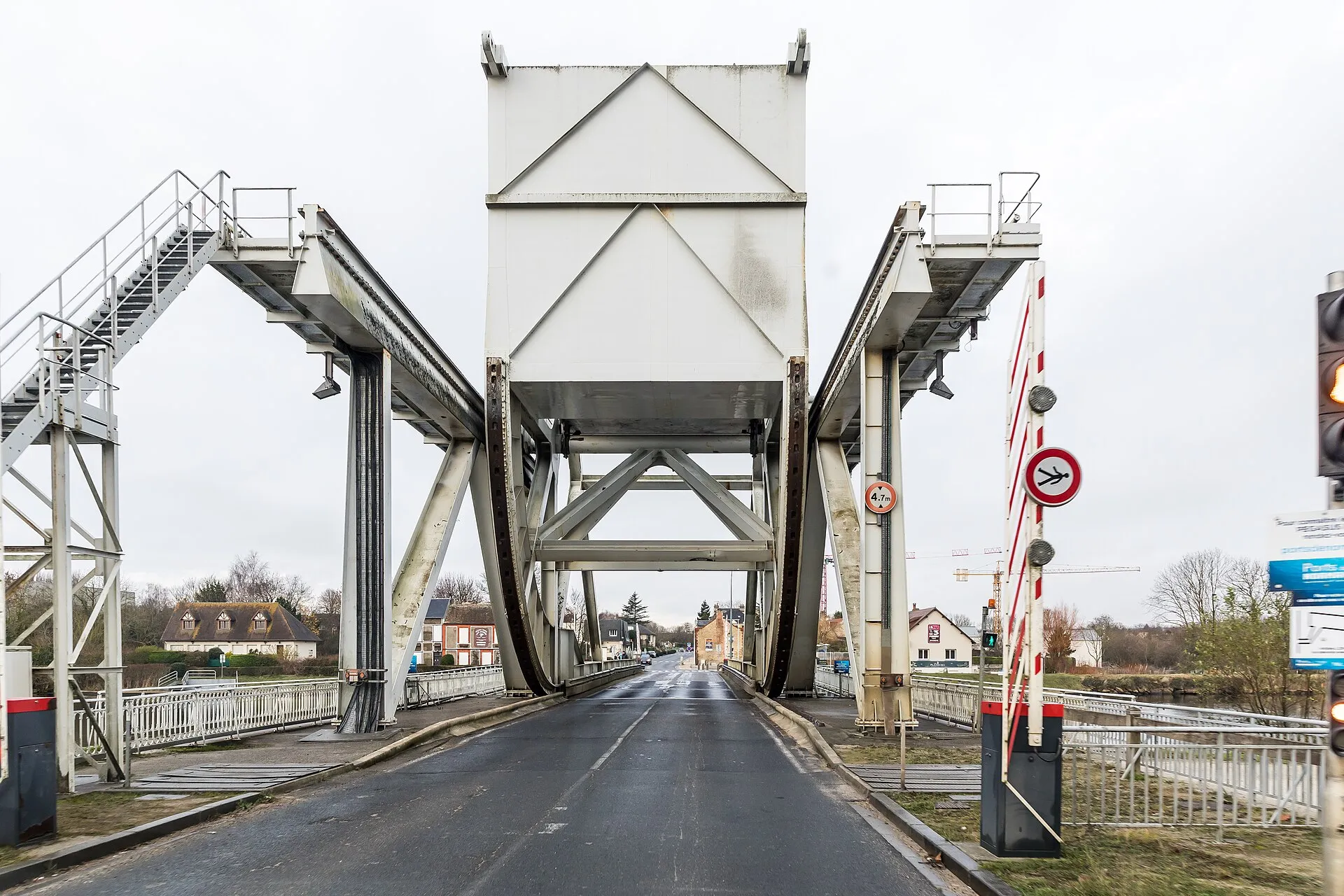
Bénouville · Ranville
At 00:16 on 6 June, Major Howard’s glider landed 47 metres from the Bénouville bridge: the first objective taken on D-Day. The original bridge, renamed Pegasus Bridge in June 1944, is displayed at the Memorial Pegasus in Ranville.
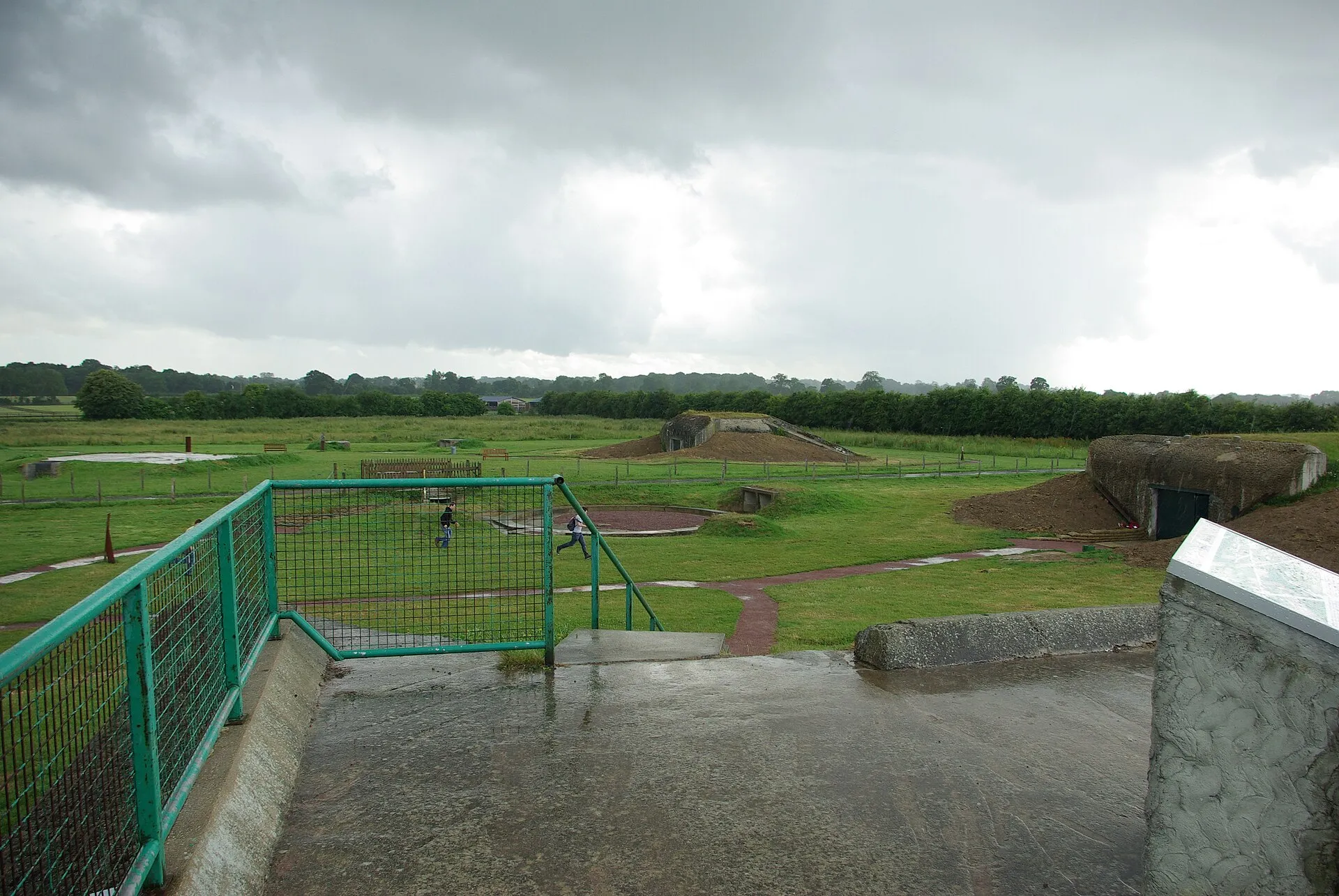
Merville-Franceville
The stronghold of the eastern flank, silenced at dawn on 6 June by Colonel Otway’s British paratroopers after an assault of rare violence. The casemates now house the museum.
Omaha and the Colleville bluff are half an hour from the house, Utah and Sainte-Mère-Église under an hour: the great American pilgrimage fits into a single day from here.
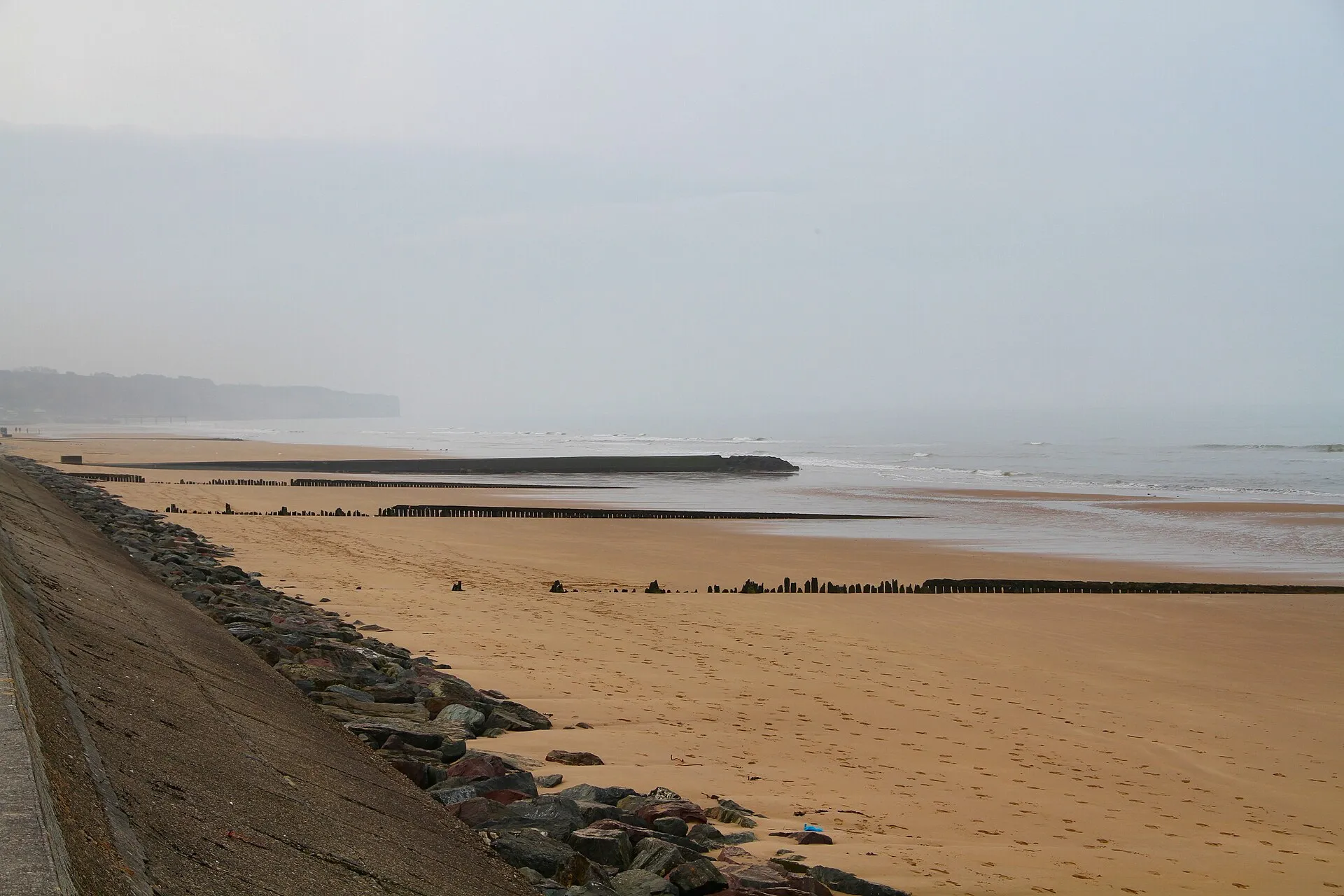
Saint-Laurent-sur-Mer
The beach where the American landings paid the heaviest price on 6 June. Vast at low tide and freely accessible, it carries the “Les Braves” sculpture rising from the sand at Saint-Laurent.
The American cemetery overlooks it from the bluff, the two are naturally visited together.
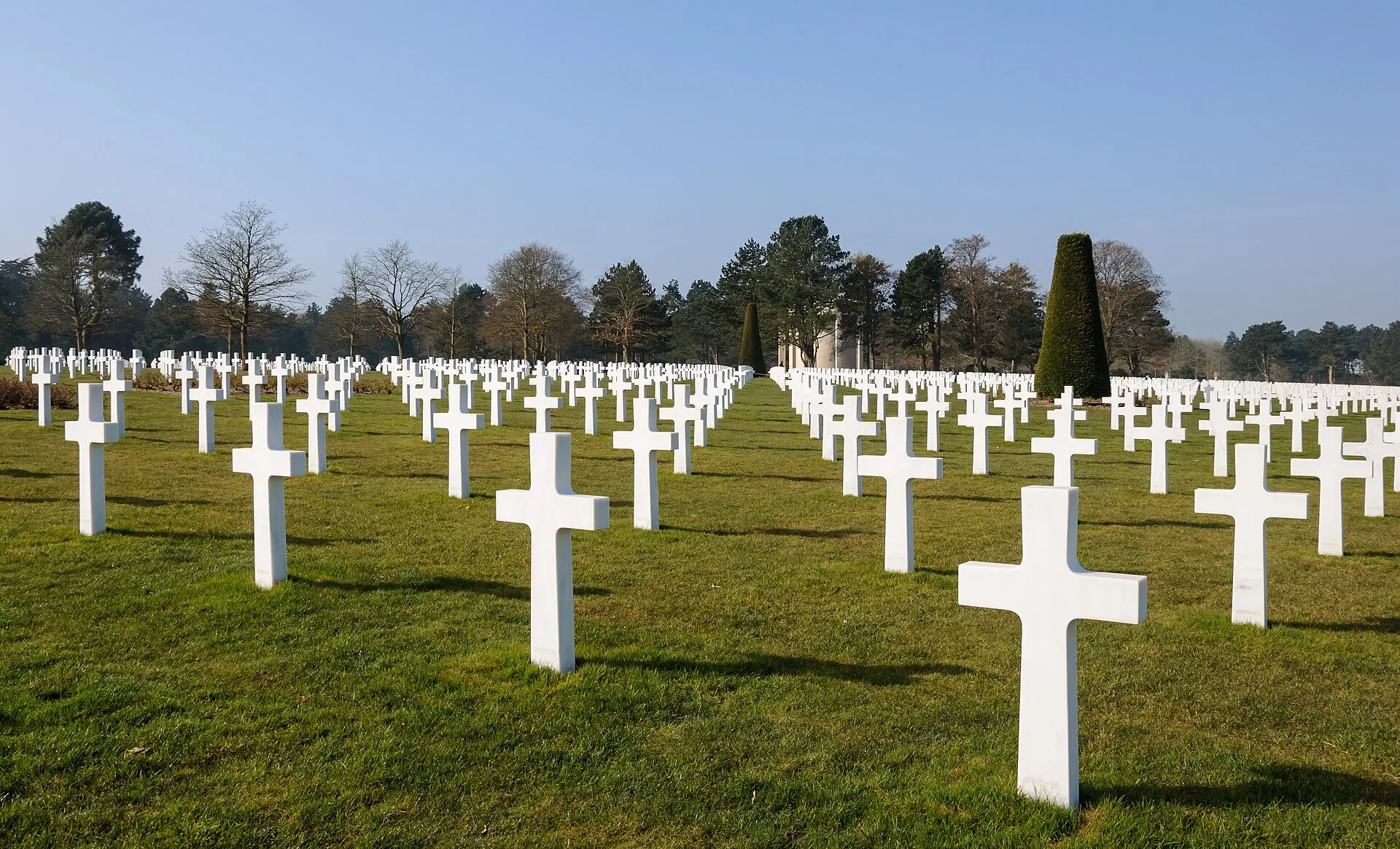
Colleville-sur-Mer
9,389 white marble crosses and stars on the bluff above Omaha and, in the semicircular garden, the 1,557 names of the missing. Maintained by the American Battle Monuments Commission, free of charge.
500 m away, the Overlord Museum lines up more than 10,000 artefacts and some forty vehicles and armoured fighting vehicles.
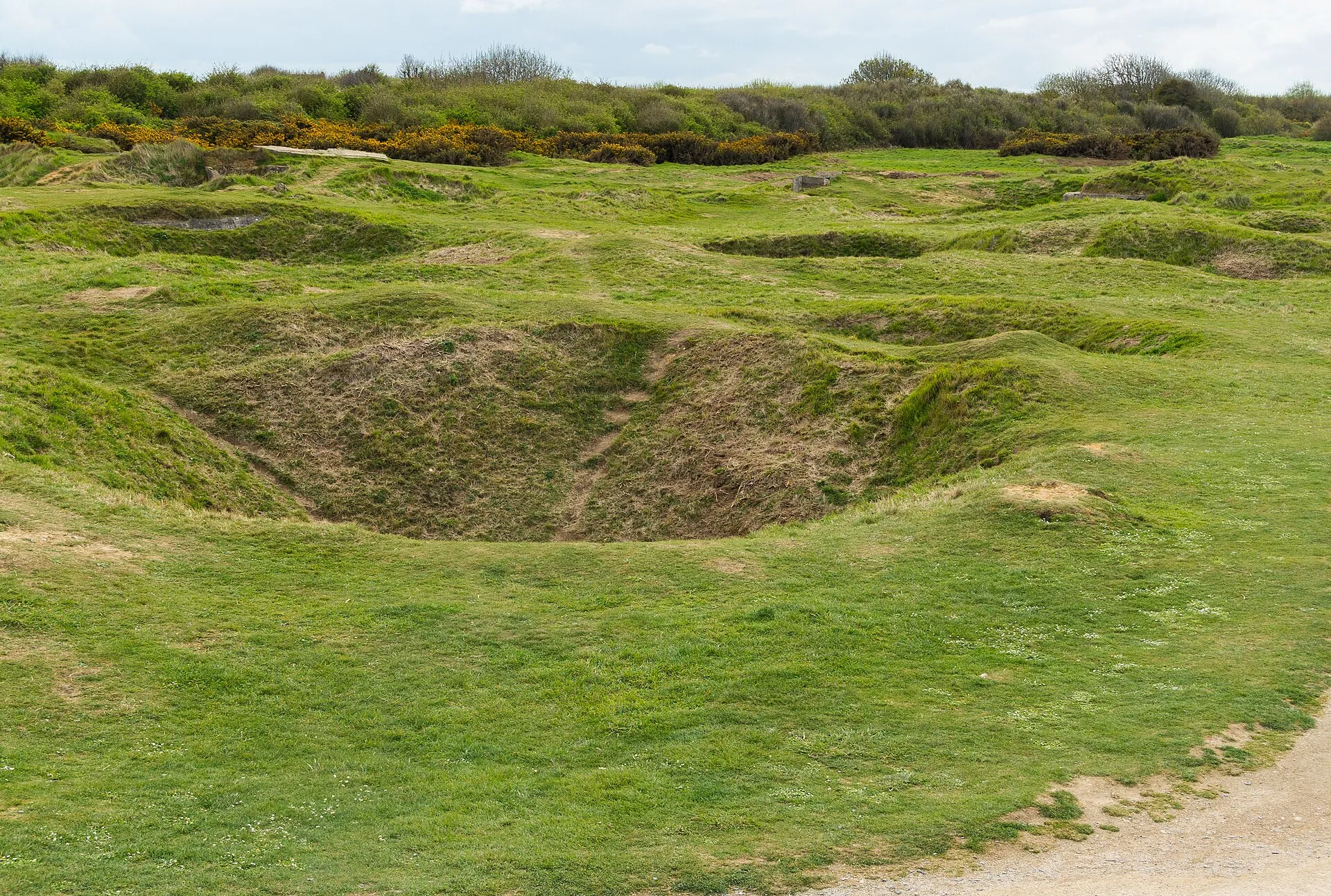
Cricqueville-en-Bessin
At 7:10 am on 6 June, Lieutenant Colonel Rudder’s Rangers scaled this 30-metre cliff under fire to silence the battery threatening Utah and Omaha. The headland was left as it was: craters, shattered bunkers, the observation post.
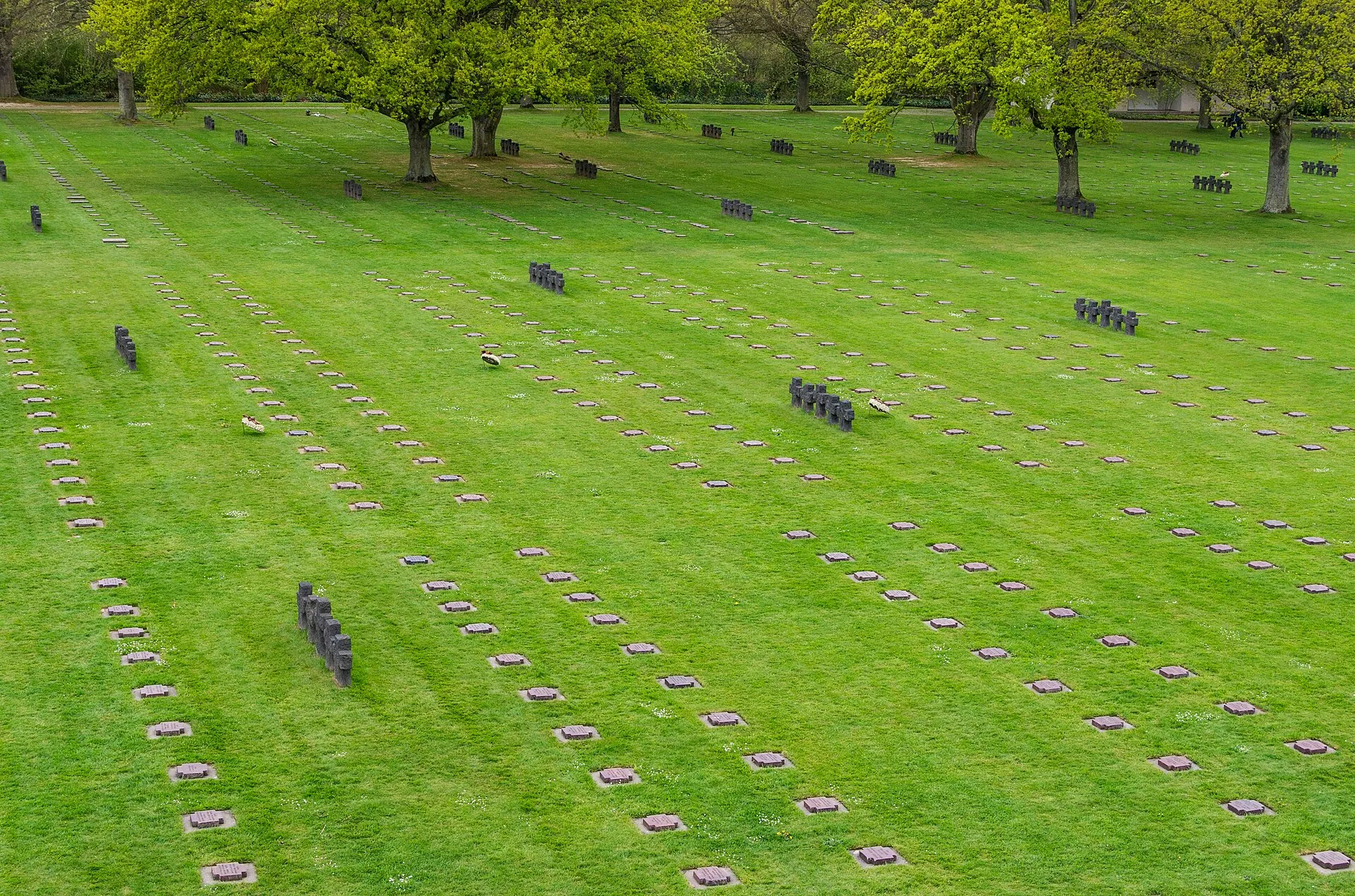
La Cambe
Beneath its mounds and dark basalt crosses lie 21,222 German soldiers. Maintained by the Volksbund, it is the sober, necessary counterpoint of any D-Day itinerary.
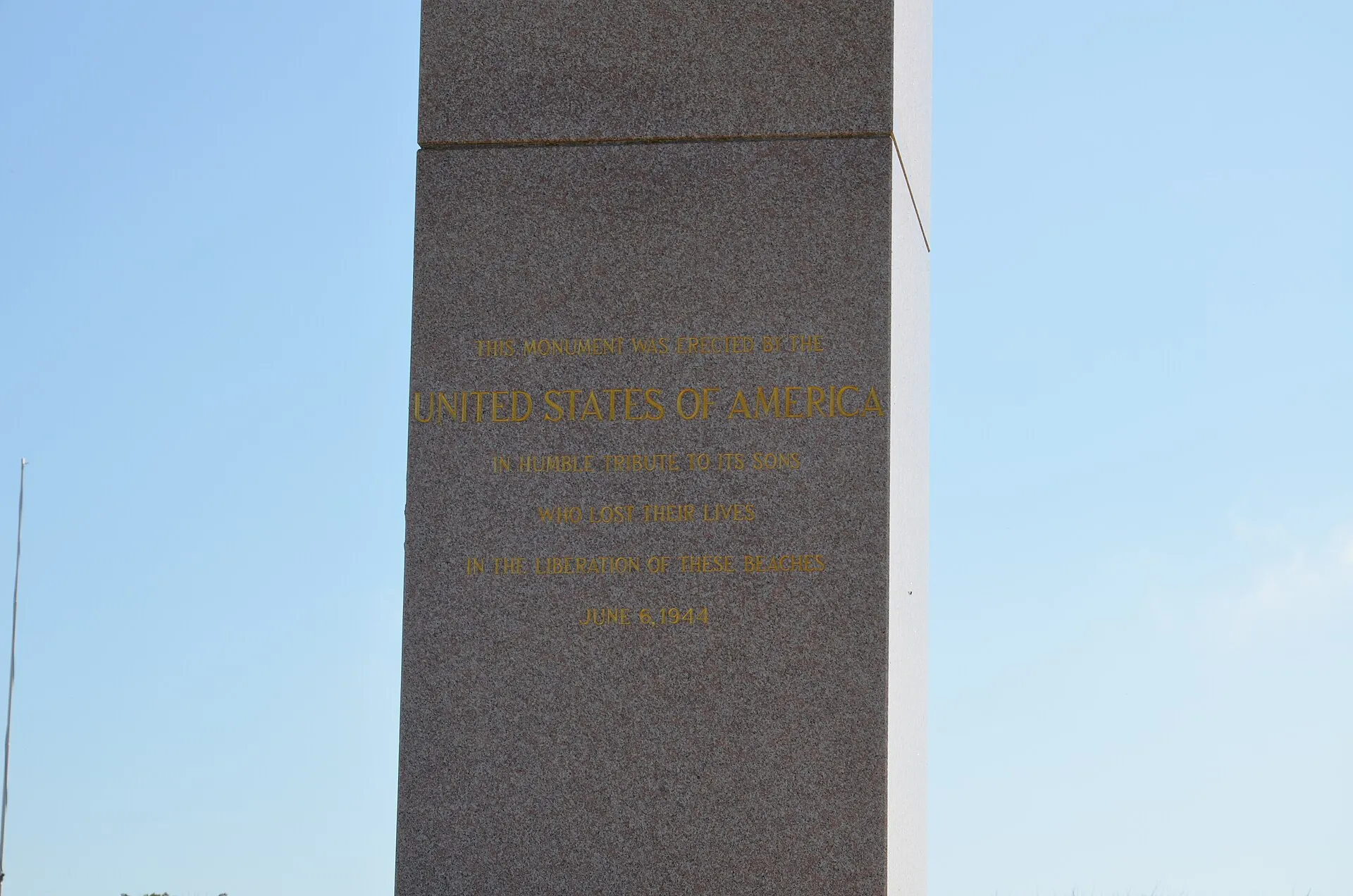
Sainte-Marie-du-Mont
The westernmost American landing beach. Its D-Day museum, founded in 1962 on the very dune, houses an authentic B-26 Marauder bomber, one of the few left in the world.
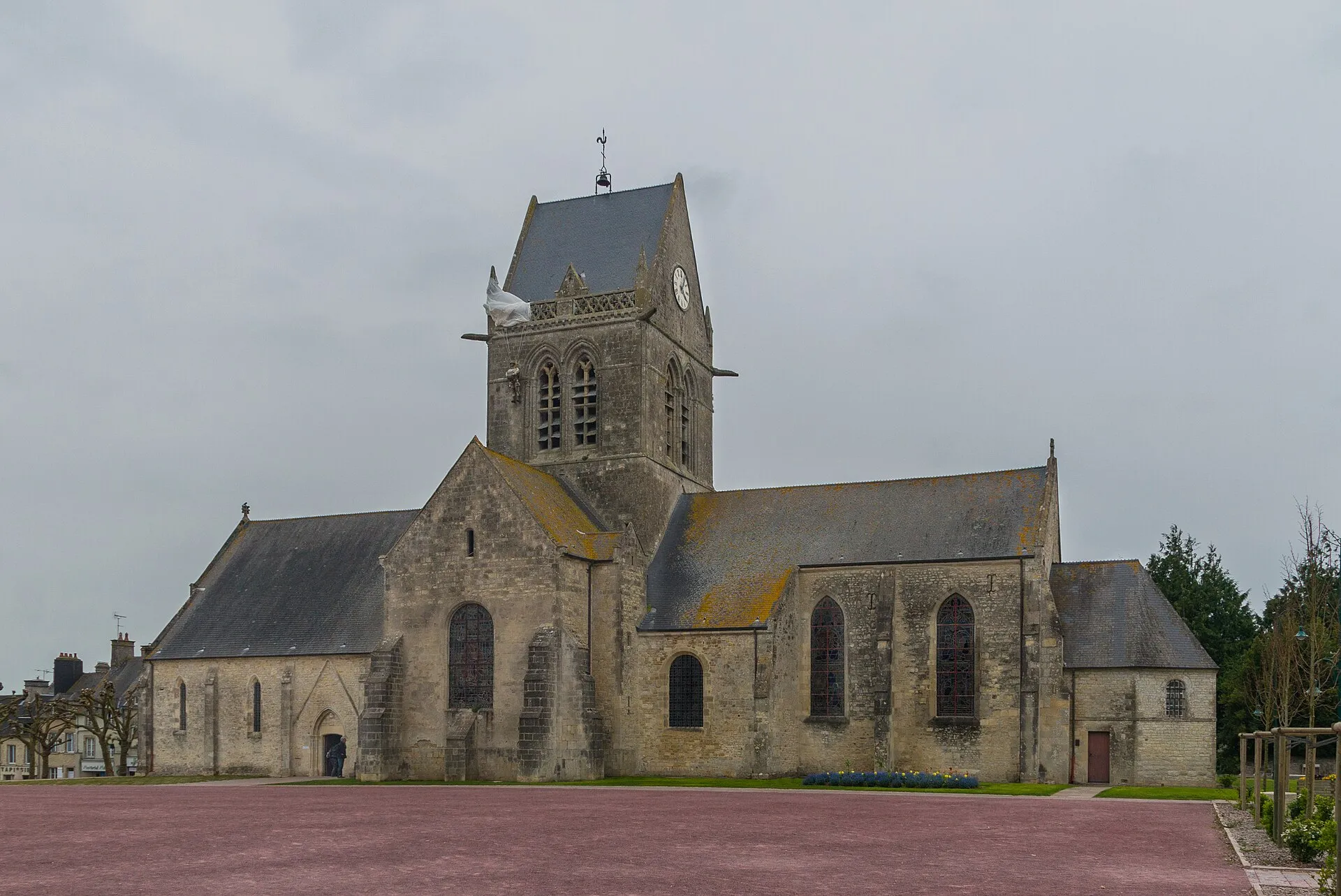
Sainte-Mère-Église
The village of the American paratroopers, where John Steele hung from the church tower on the night of 6 June. Facing the church, the Airborne Museum (Europe’s largest museum dedicated to the 82nd and 101st Airborne) preserves an authentic Waco glider and C-47.
The two towns that frame the house: one to remember, the other to understand.
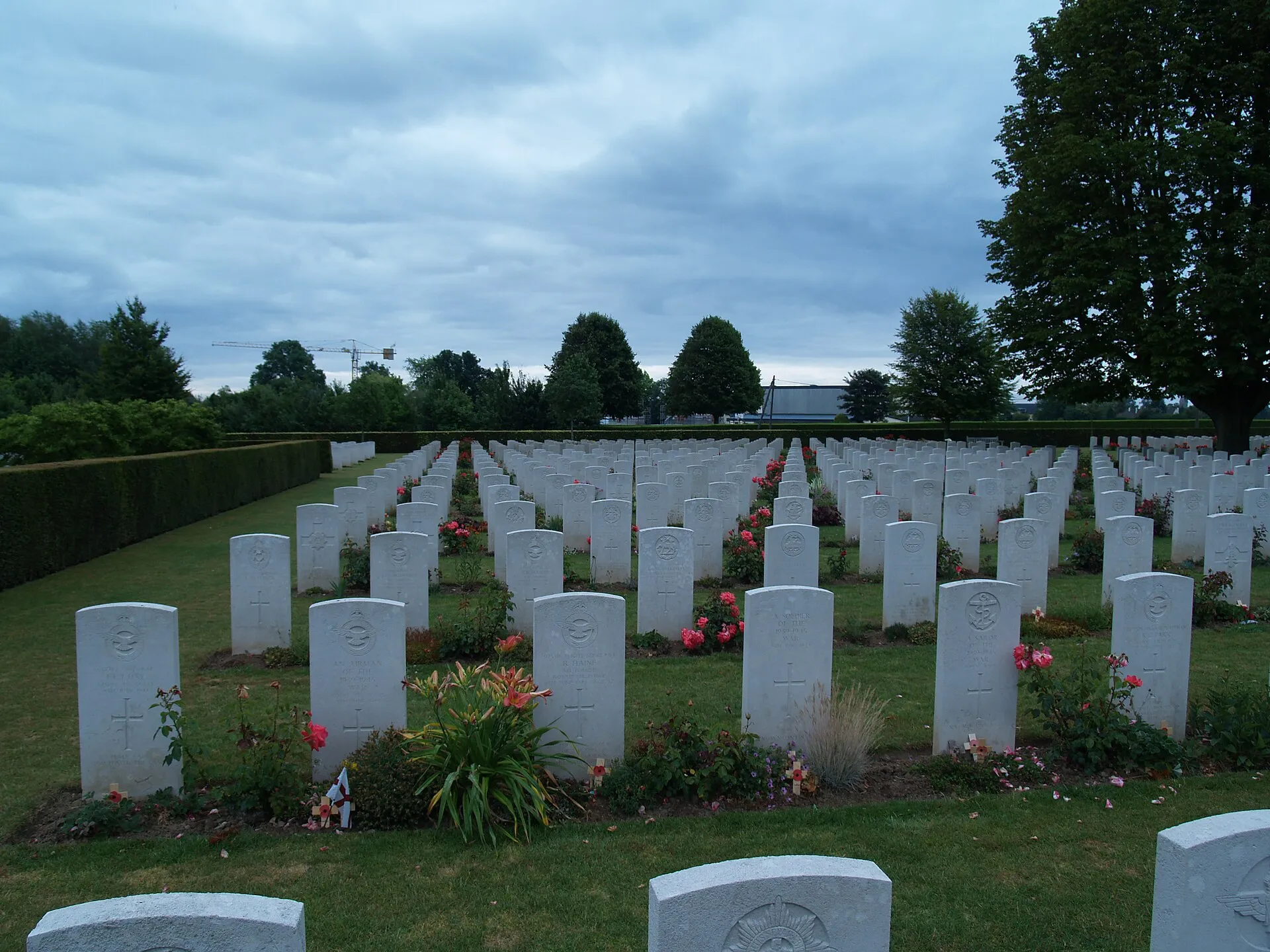
Bayeux
Liberated intact on the morning of 7 June, Bayeux was the first town in mainland France to be freed. It gathers the largest Commonwealth cemetery in France (4,144 graves), the memorial to 1,808 missing, and the Battle of Normandy memorial museum.
On the memorial, a Latin inscription answers 1066: “We, once conquered by William, have set free the Conqueror’s native land.”
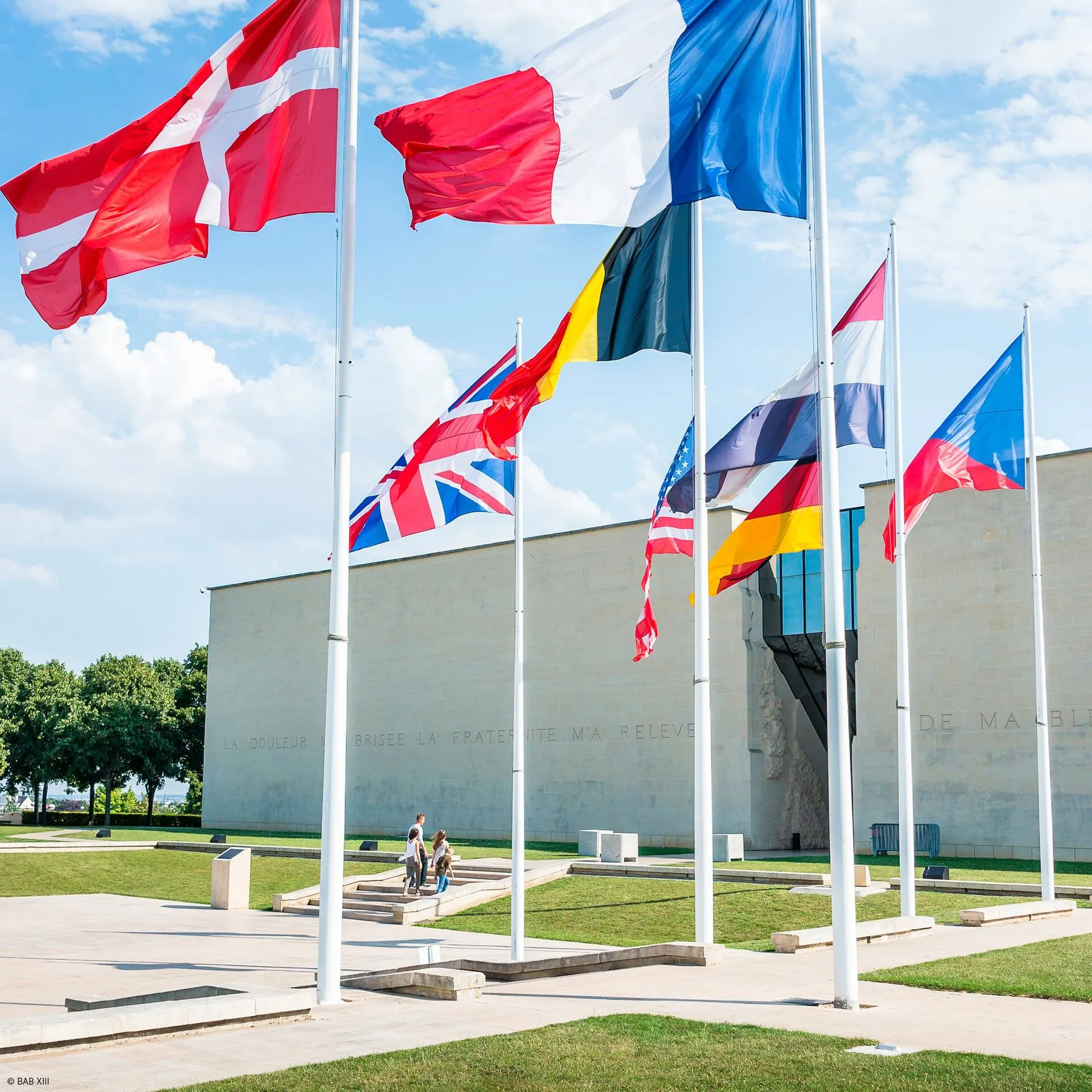
Caen
Europe’s leading museum of the Second World War and the Battle of Normandy, built above General Richter’s command bunker. The visit that makes sense of all the others, ideal on day one, or when it rains.
The house’s own history
In June 1944, the boundary between the British sector of Gold Beach and the Canadian sector of Juno ran precisely here. At Loucelles and Audrieu fought the British of the 50th Northumbrian Division and the 8th Armoured Brigade; at Putot-en-Bessin and Brouay, two kilometres east, the Canadians who had landed at Juno. To stay here is quite literally to sleep on the seam between two armies.
According to the Calvados remembrance records, on the morning of 8 June the tanks of the 24th Lancers clashed in the village with the reconnaissance battalion of the 12th SS Division “Hitlerjugend”. The infantry of the 1st Dorsets was committed around 4 pm; in the evening, after eighty minutes of artillery fire on the neighbouring Audrieu sector, the SS withdrew. At nightfall on 8 June 1944, Loucelles was liberated by the 1st Dorsets and the tanks of the 4th/7th Royal Dragoon Guards.
The house itself sits along the old Route Nationale 13, the 1944 Caen-Bayeux road: the axis that the lock villages of Putot, Norrey and Bretteville held against the 12th SS counter-attacks of 8 and 9 June, and which then became an artery of Allied logistics once the front had moved south. British items found on the grounds suggest that troops paused here in 1944, to stage, repair or rest, impossible to say for certain; what is certain is that the battle passed this door.
The front, however, did not move far: Brouay, two kilometres away, held out until 16 June under a permanent artillery duel; Cristot fell the same day; Tilly-sur-Seulles, taken and retaken some twenty times, only yielded on 18-19 June. On 11 June the Green Howards fought along the Caen-Bayeux railway that borders the village to the south, the little Audrieu halt, three minutes from the house, still serves that line.
These days count among the darkest of the Battle of Normandy. At Putot, the Royal Winnipeg Rifles were overrun on the morning of 8 June, before the Canadian Scottish took the village back that same evening. At the Château d’Audrieu, around sixty Canadian and British prisoners were murdered by the 12th SS between 8 and 11 June, their memorials can be visited, at the château and in the village.
By mid-June the village had become a rear area: from 14 to 26 June the Royal Engineers built airfield B-7 at Martragny, on the neighbouring plateau, from which Mustangs and then Typhoons operated until September 1944. The Commonwealth registers, meanwhile, kept filling: Brouay, Secqueville, Tilly, Jerusalem, four war cemeteries within ten minutes of the house.
A word from your host
Talking about this period with our guests is always a pleasure: maps in hand, we will gladly help you build your itinerary, from the great beach circuit to the sunken lanes the tour buses never see. This year again, two American groups made the house their base camp to follow the D-Day trail.
No tour bus stops there, which is exactly their strength: within ten minutes of the house, the neighbouring villages carry the most authentic traces of June 1944. This is the circuit we share with our history-minded guests.
Each number matches an entry below: click a dot to see its drive time and jump to its entry. The old RN13 road and the railway are drawn schematically.
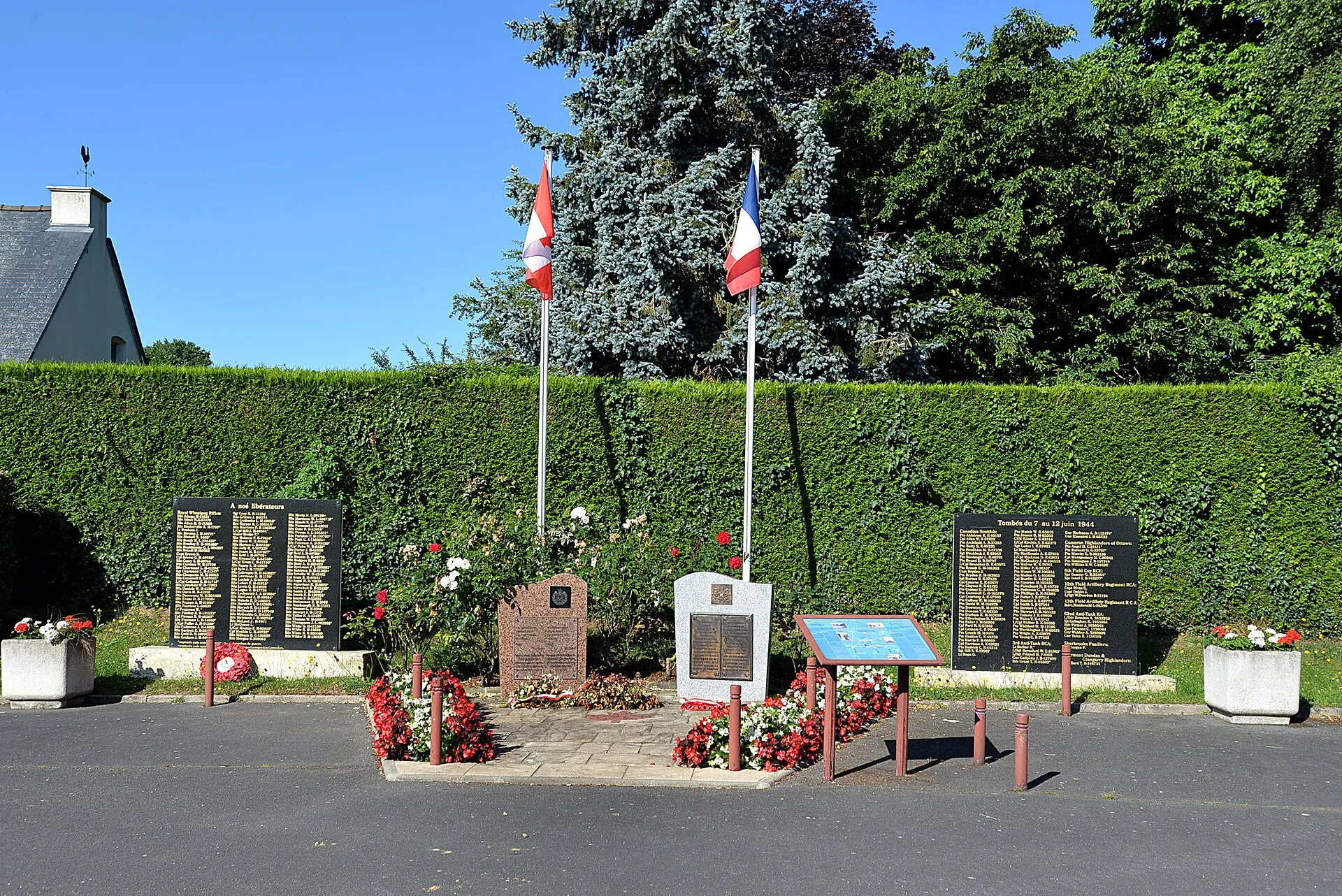
Putot-en-Bessin
On the morning of 8 June the Royal Winnipeg Rifles were overrun here by the 12th SS Division; that same evening the Canadian Scottish took the village back. A granite memorial honours both regiments.
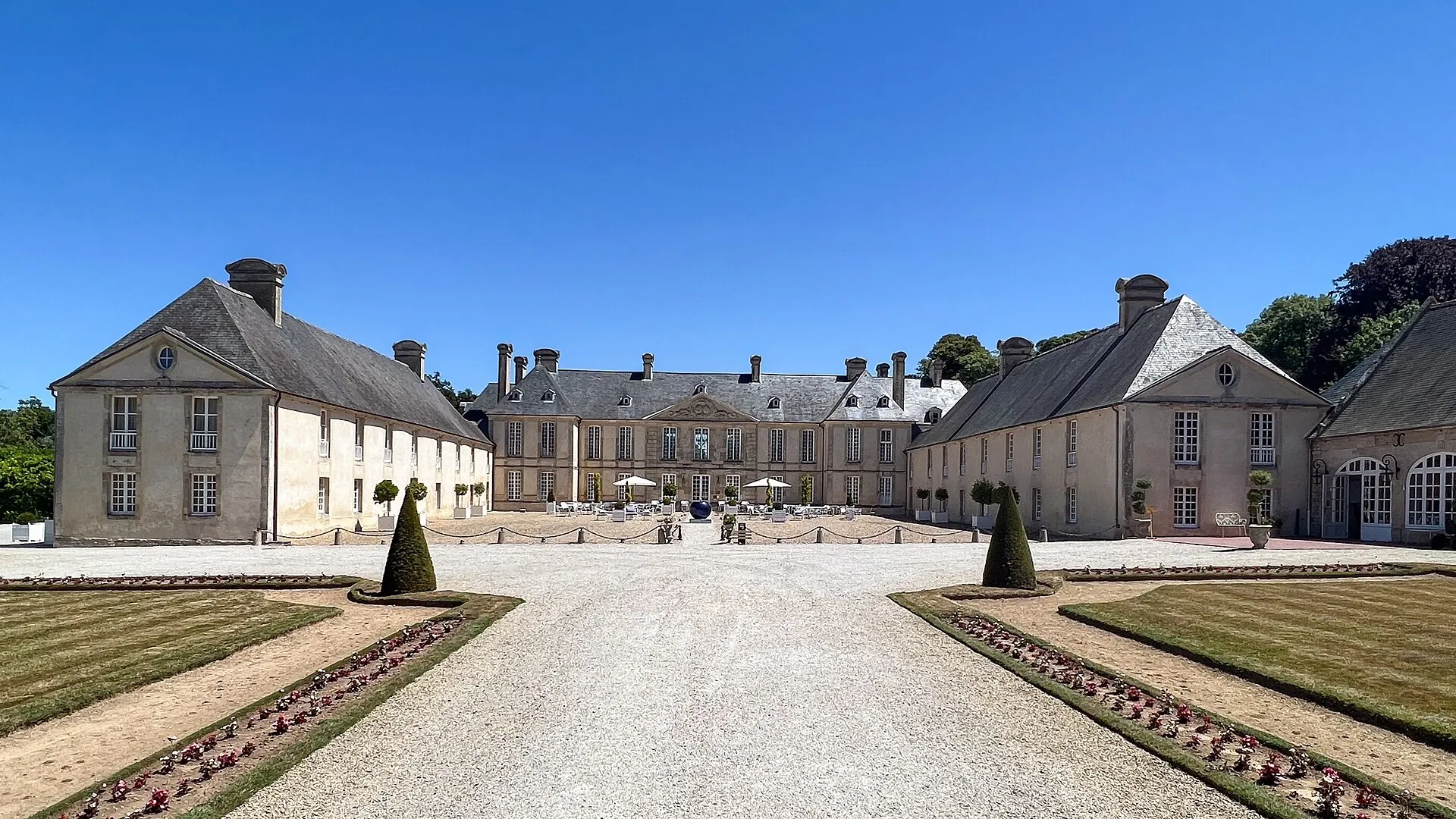
Audrieu
In the château grounds (today a five-star hotel whose restaurant features in our guide) around sixty Canadian and British prisoners were murdered by the 12th SS between 8 and 11 June 1944. A memorial honours them at the château, two more in the village.
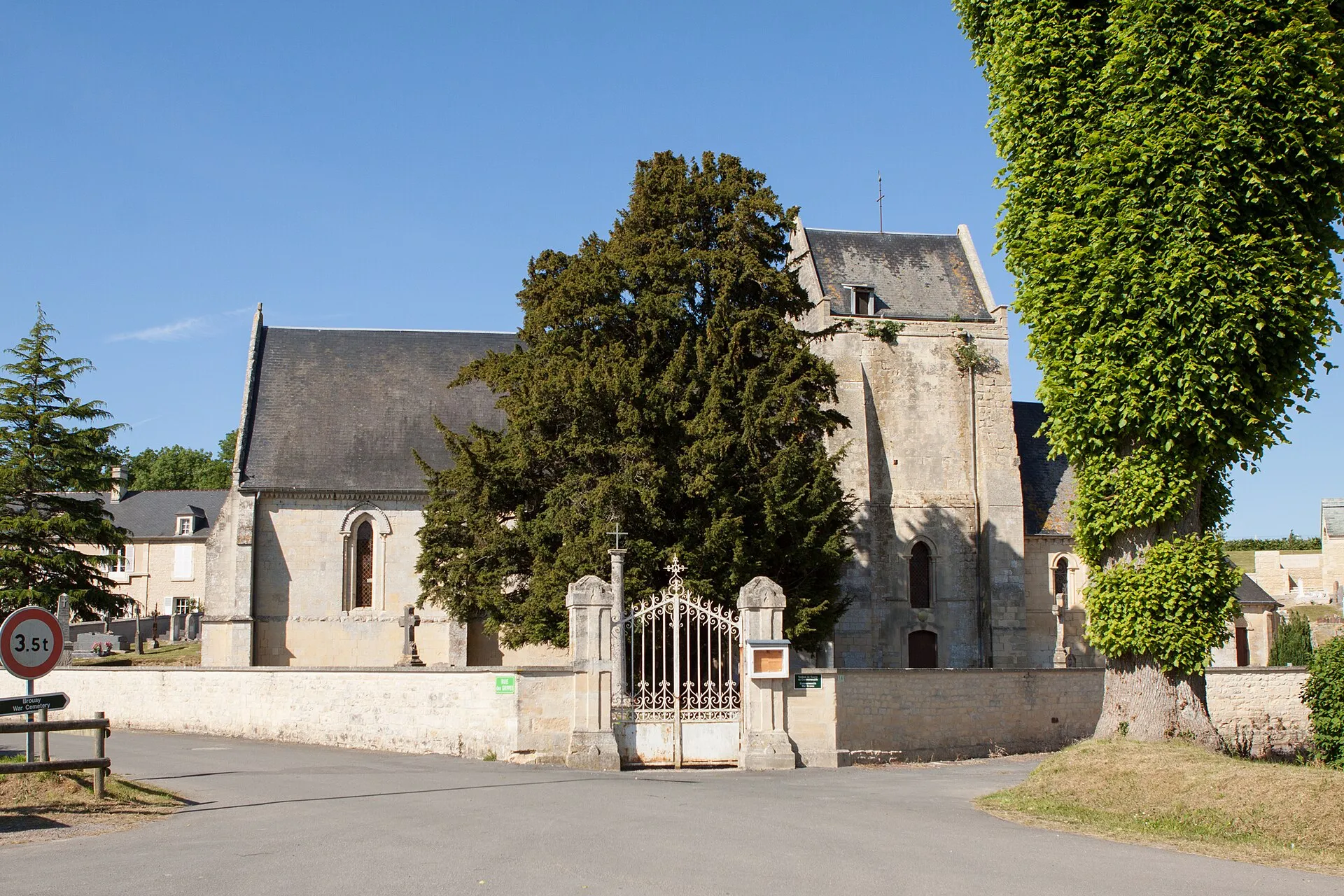
Brouay
Beside the next village’s church lie 377 Commonwealth graves, mostly from the fighting that encircled Caen. Brouay itself was the front line from 8 to 16 June, two kilometres from the house.
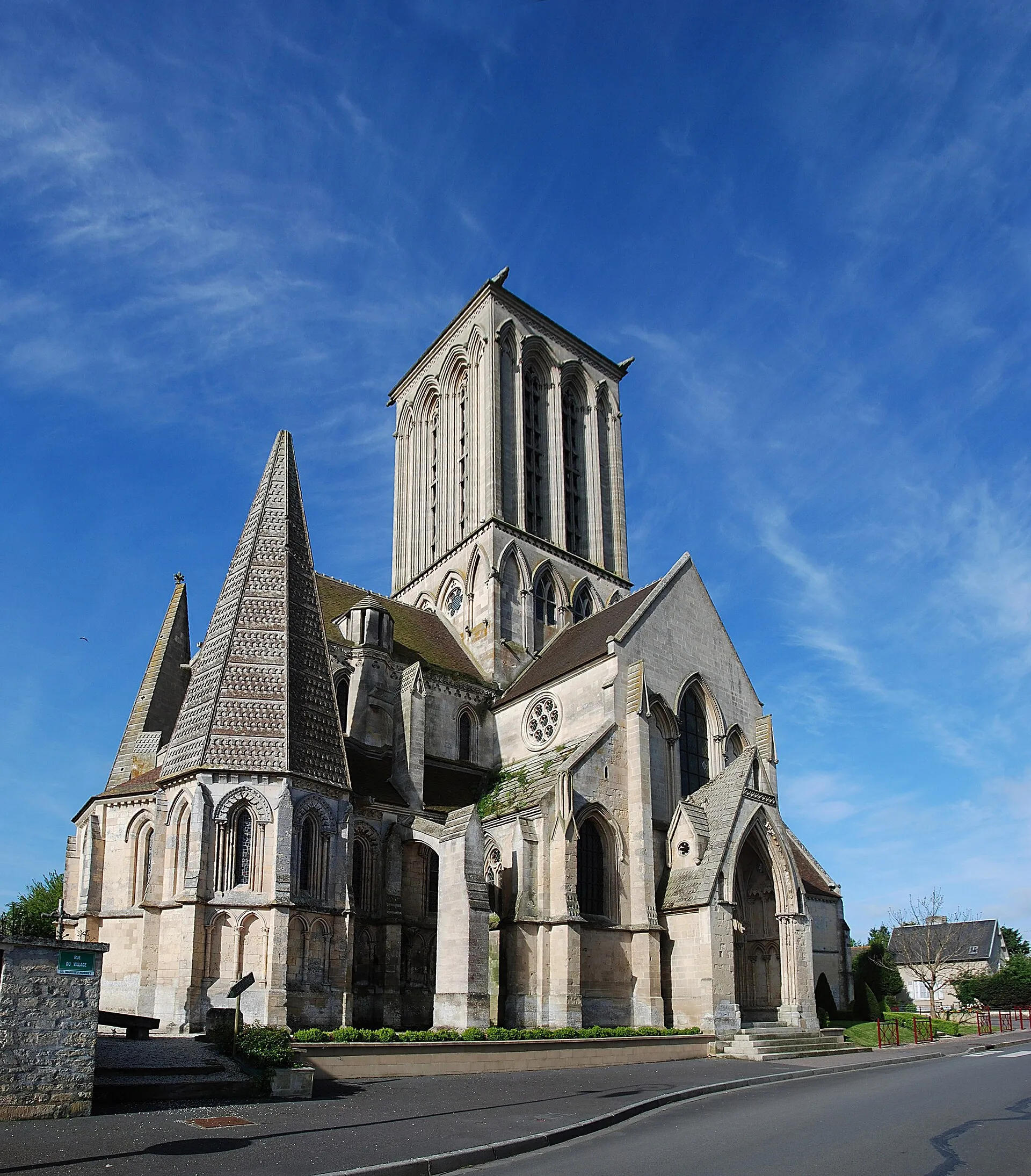
Saint-Manvieu-Norrey
On 8-9 June the Regina Rifles held the railway line here against the Panthers of the 12th SS, seven of twelve tanks destroyed on 9 June. The church, the “cathedral of the Bessin”, destroyed in the battle, has been rebuilt.
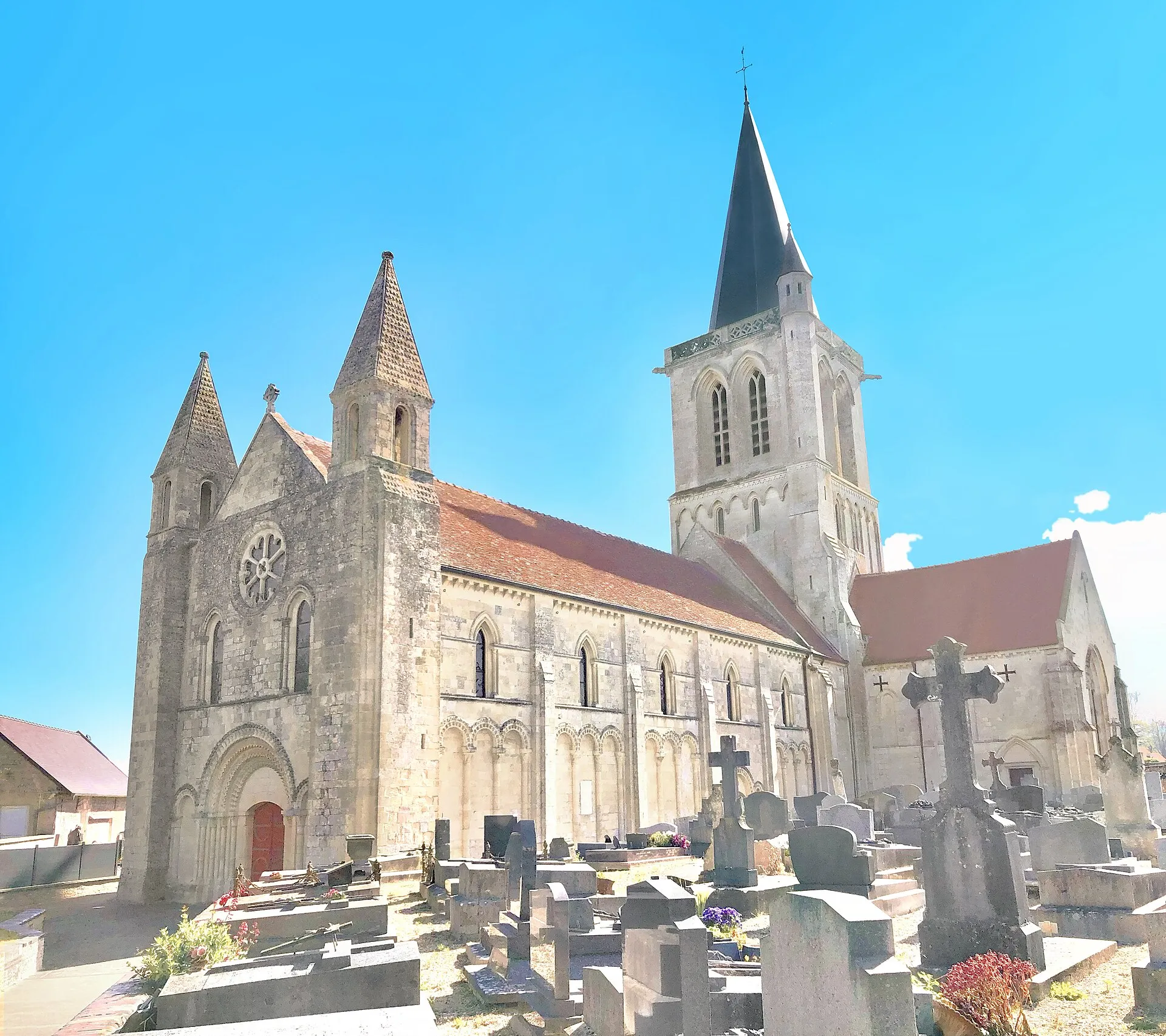
Rots
It was from Rots that the Panthers of the 12th SS set out to strike Bretteville and Norrey on 8 and 9 June. On 11 June, No. 46 Royal Marine Commando, backed by the Canadian tanks of the Fort Garry Horse, took the village back house by house: some of the hardest close-quarter fighting in the sector, with 122 German dead. The château de Rots then housed the headquarters of the First Canadian Army.
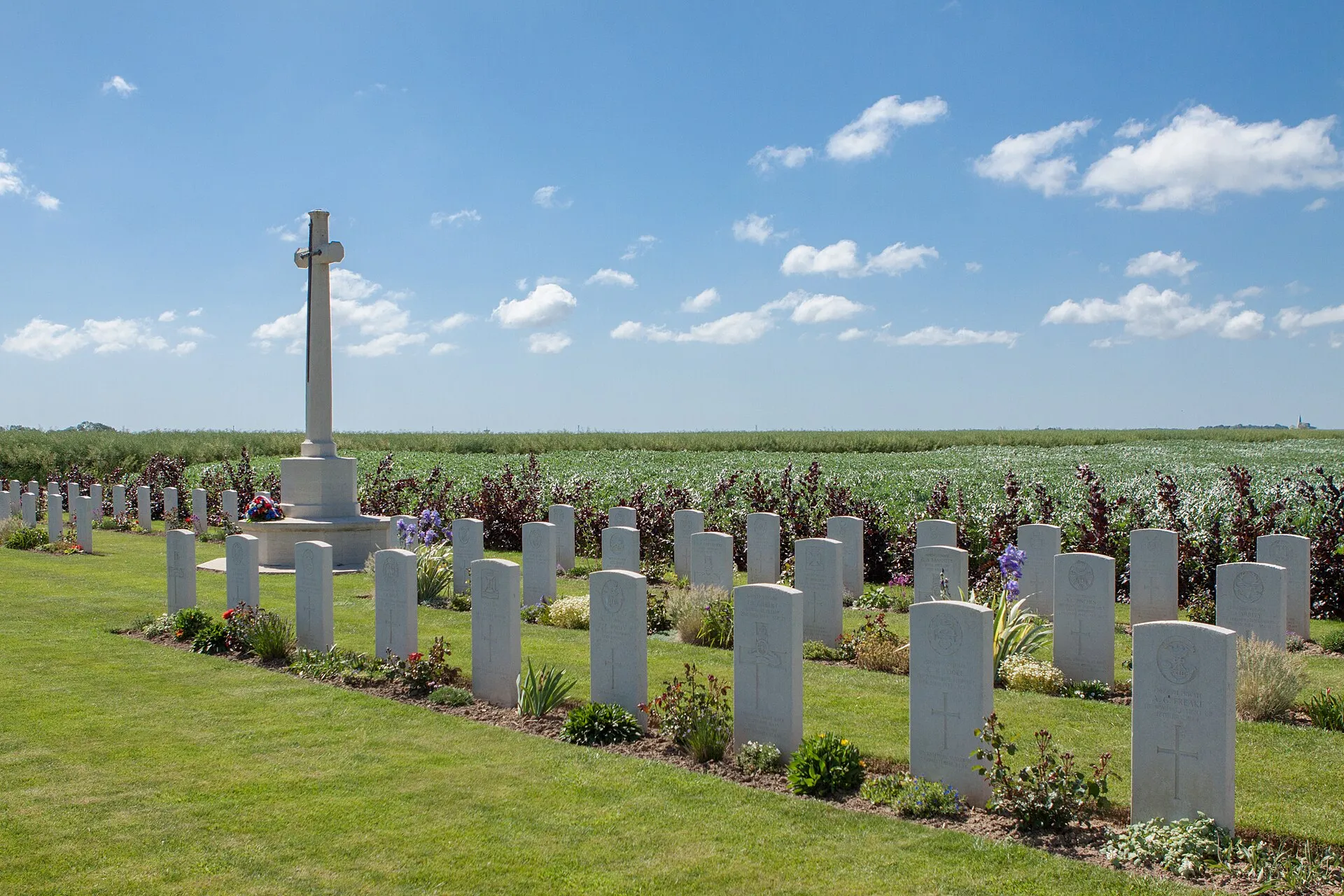
Secqueville-en-Bessin
A small battlefield cemetery: 99 Commonwealth and 18 German graves, almost all from the July 1944 advance on Caen.
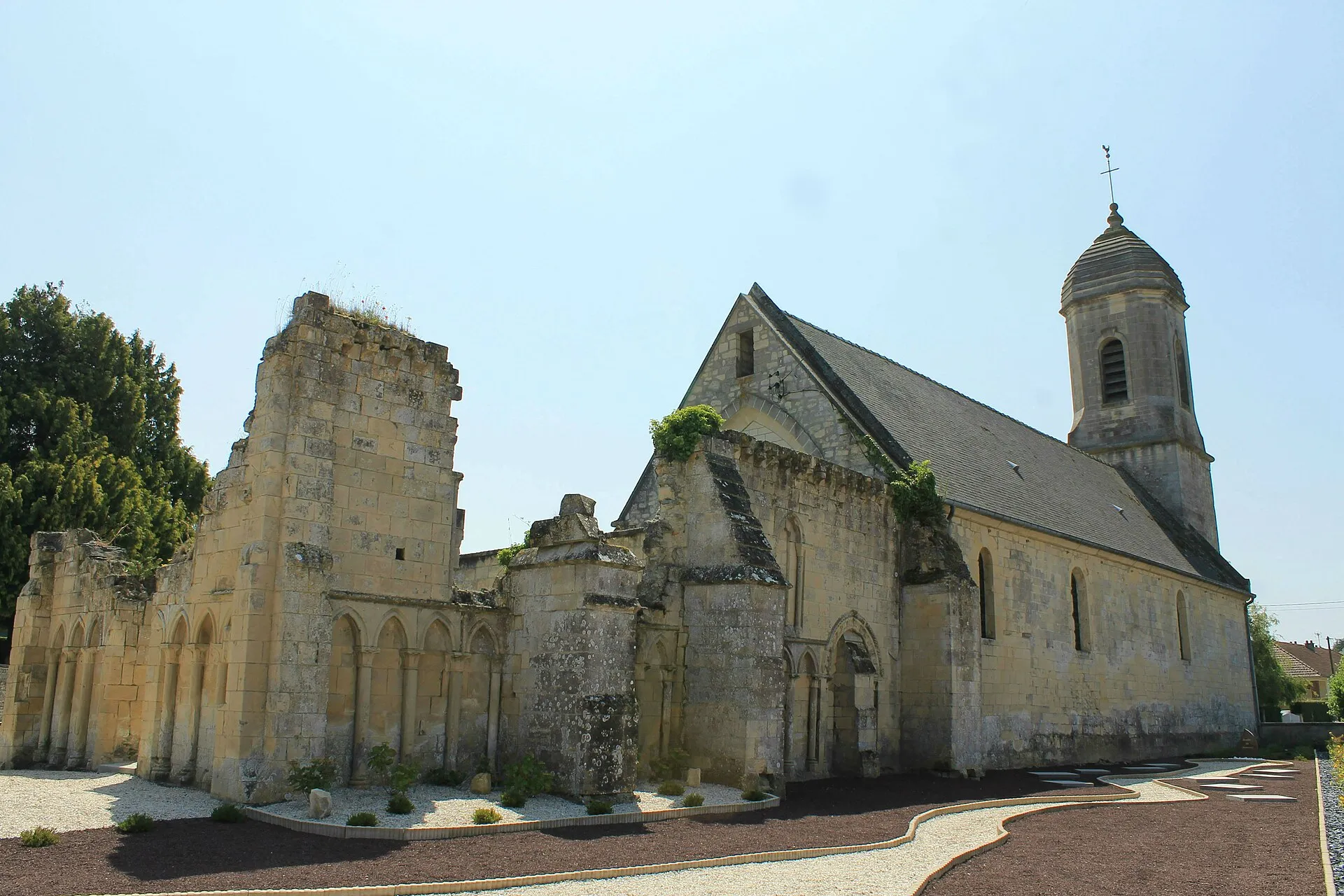
Cristot
Orchards and sunken lanes where the Green Howards and Dragoon Guards fought on 11 June against Panzer Lehr; the village only fell on the 16th. To the south, Point 103 was the British armour’s vantage point.
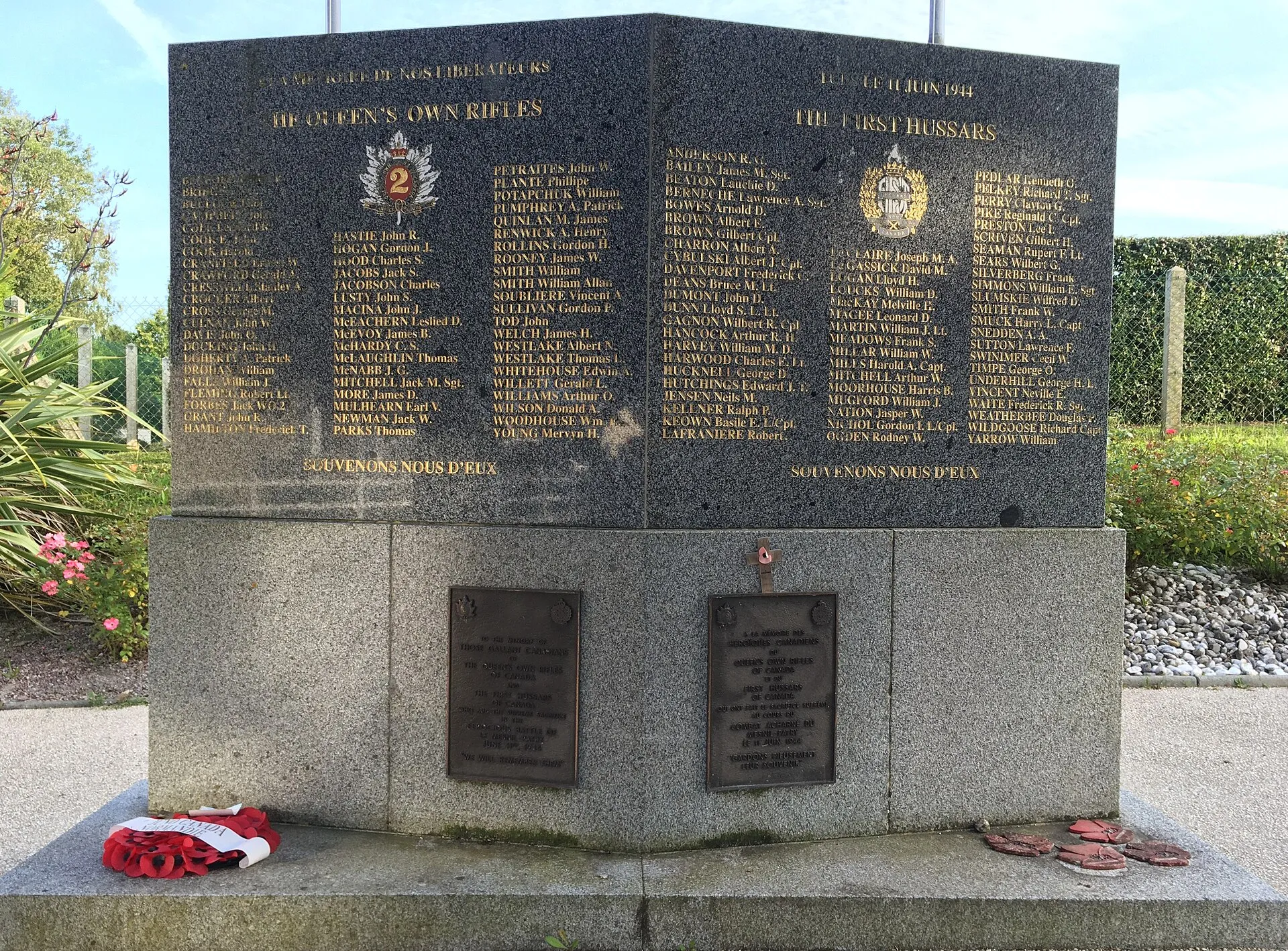
Le Mesnil-Patry
On 11 June the attack of the Queen’s Own Rifles and the 1st Hussars’ tanks broke here against the 12th SS, one of the darkest days for Canadian armour in Normandy. A memorial in the village answers for them.
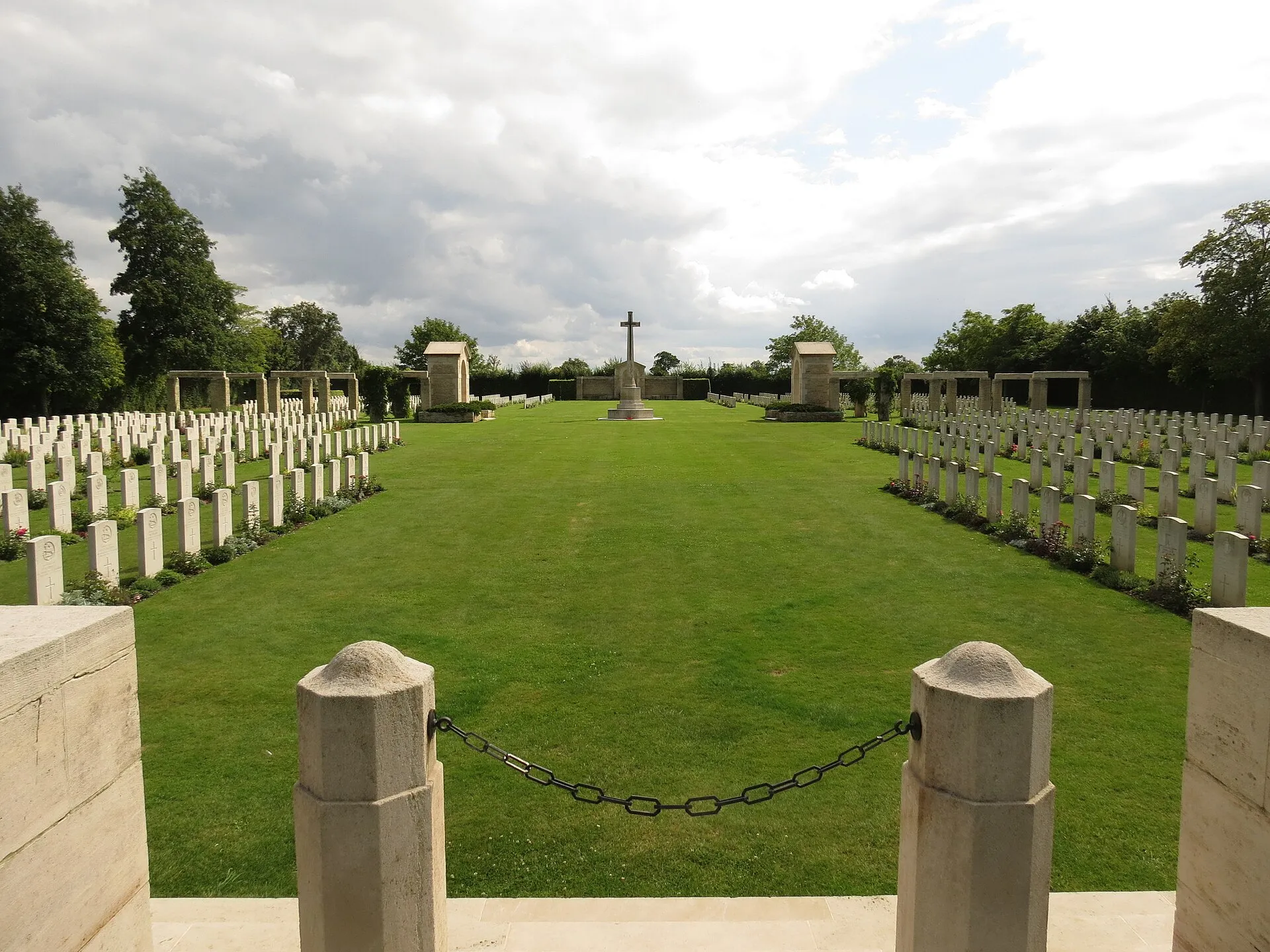
Tilly-sur-Seulles
Taken and retaken some twenty times between 7 and 19 June, and two-thirds destroyed. The small battle museum fills the medieval chapel of Notre-Dame-du-Val; the Commonwealth cemetery holds 1,222 graves, 232 of them German.
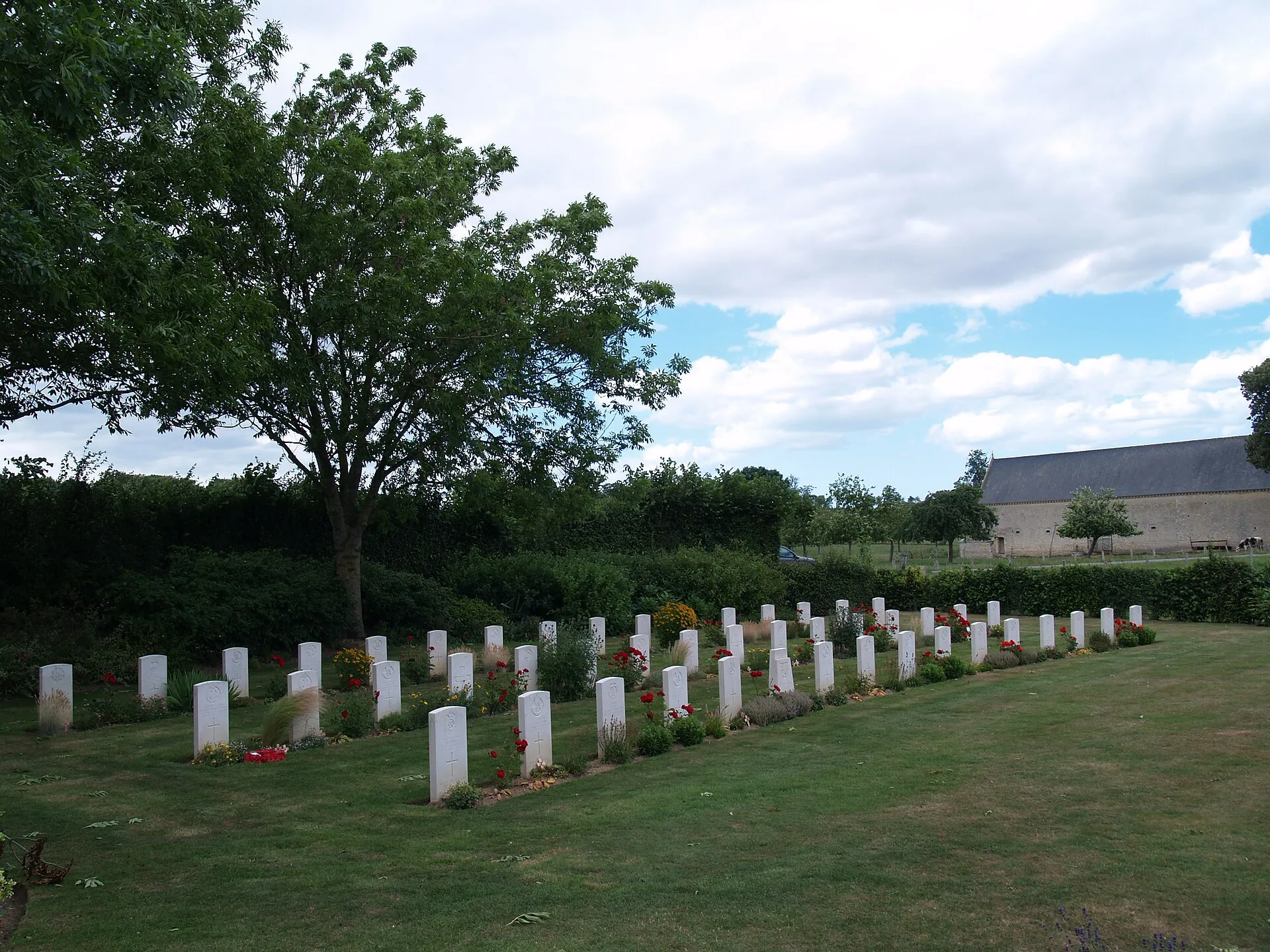
Chouain
One of the smallest Commonwealth cemeteries in Normandy: 47 graves at the edge of the fields, among them Jack Banks, killed at sixteen, the youngest British soldier to die in Normandy.
Sources: American Battle Monuments Commission, Commonwealth War Graves Commission, Veterans Affairs Canada, Volksbund, the museums cited, and the Calvados remembrance records (normandie44lamemoire.com) for the account of the village’s liberation. Facts, figures and drive times checked on 15 August 2026.
“Only 10-15 minutes from Bayeux and Caen, and about 20 minutes from the D-Day beaches. An unforgettable holiday, 5 stars!”
“We really felt at home here.”
The sites on this page can be visited all year, but the coast only truly comes alive in June: the 6 June commemorations at Arromanches, the Liberation of Bayeux ceremony on the 7th, and the two-week D-Day Festival. See the year’s highlights →
A quick reply, with availability and a precise quote.